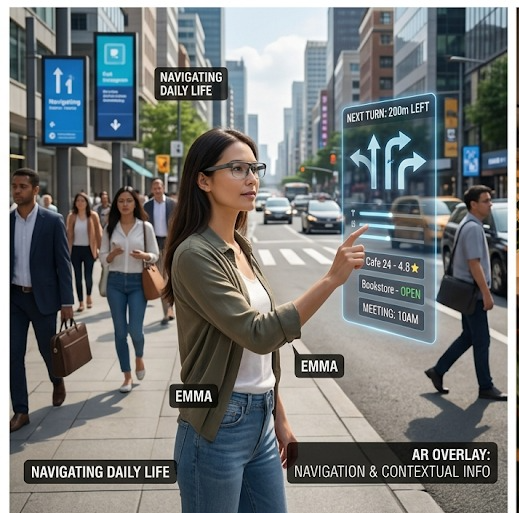
Augmented reality (AR) glasses are moving from futuristic concepts toward practical consumer technology. Unlike traditional screens, these smart glasses can place digital information directly into the user’s field of view while allowing them to remain connected to their surroundings. As technology improves, consumer readiness for augmented reality glasses has become an important topic for manufacturers, developers, and everyday users.
Understanding Augmented Reality Glasses
Augmented reality glasses are wearable devices designed to combine digital content with the physical environment. Depending on the model, they may display notifications, navigation instructions, translations, entertainment content, or interactive information. Some devices can also incorporate cameras, microphones, speakers, artificial intelligence, and voice controls.
The appeal of AR glasses comes from their hands-free experience. Instead of constantly looking down at a smartphone, users can potentially access useful information while walking, working, shopping, or traveling.
Are Consumers Ready for AR Glasses?
Consumer readiness depends on more than technological innovation. People need to see clear benefits before replacing familiar devices with a new wearable. Convenience, affordability, comfort, privacy, and ease of use all influence purchasing decisions.
Many consumers are already comfortable with smartwatches, wireless earbuds, and voice assistants. These products have helped normalize wearable technology. AR glasses could become the next step if they provide meaningful advantages without creating unnecessary complexity.
However, consumers may hesitate if AR glasses are expensive, uncomfortable, difficult to operate, or socially awkward. This means manufacturers must focus on everyday usefulness rather than simply promoting advanced specifications.
Key Factors Driving Consumer Adoption
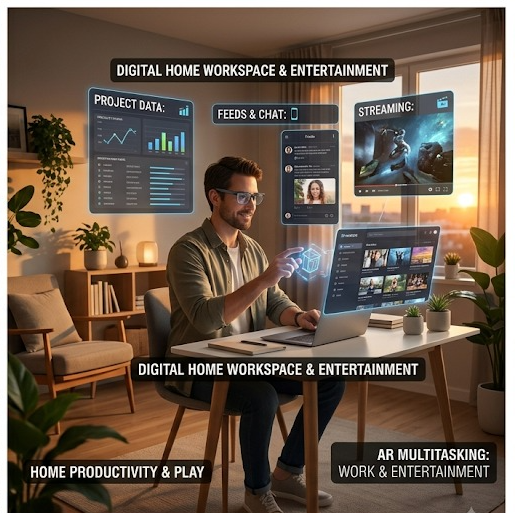
One major factor is practical functionality. Navigation, real-time translation, reminders, accessibility features, and hands-free communication could make AR glasses useful in daily life. Professionals may also benefit from displaying instructions, documents, or data without interrupting their workflow.
Design and comfort are equally important. Consumers are unlikely to wear bulky devices for several hours each day. Lightweight frames, improved battery life, clear displays, and attractive designs could significantly improve adoption.
Another important consideration is price. Early AR products may carry premium prices, but broader adoption will likely depend on affordable models that offer useful features without requiring consumers to make a major financial commitment.
Privacy and Social Acceptance
Privacy could be one of the biggest challenges for AR glasses. Devices equipped with cameras and microphones can raise concerns about recording people without their knowledge. Consumers may also worry about how companies collect, store, and process personal information.
Manufacturers can improve trust through visible recording indicators, transparent privacy controls, strong security practices, and clear data policies. Social acceptance will also develop gradually as people become more familiar with responsible AR use.
The Role of Artificial Intelligence
Artificial intelligence is expected to make AR glasses considerably more useful. AI-powered assistants could recognize objects, summarize information, answer questions, translate languages, and provide contextual recommendations.
For example, a traveler might use AR glasses to translate a street sign or receive walking directions without holding a phone. In professional environments, AI could help workers access relevant information while keeping their hands free.
What the Future Holds
The future of AR glasses will depend on whether manufacturers can balance innovation with real-world usability. Consumers do not necessarily need more technology; they need technology that solves genuine problems.
As hardware becomes smaller, batteries improve, displays become clearer, and AI becomes more capable, AR glasses could become an important part of everyday digital life. However, widespread adoption will require affordable pricing, reliable performance, privacy protections, and designs that people actually want to wear.
Consumer readiness for augmented reality glasses is growing, but mass adoption is not guaranteed. Users will judge these devices based on comfort, usefulness, affordability, privacy, and social acceptance. Companies that successfully address these concerns can turn AR glasses from an exciting technological experiment into a practical consumer product. The next stage of wearable technology will ultimately be shaped not only by what AR glasses can do, but by whether consumers believe those capabilities genuinely improve their everyday lives.
Effects of AI in Upcoming Technology
Manhole – Essential Access Points in Urban Infrastructure
RCPC Manhole Covers and Frames
Read Also: Social Network Website Design