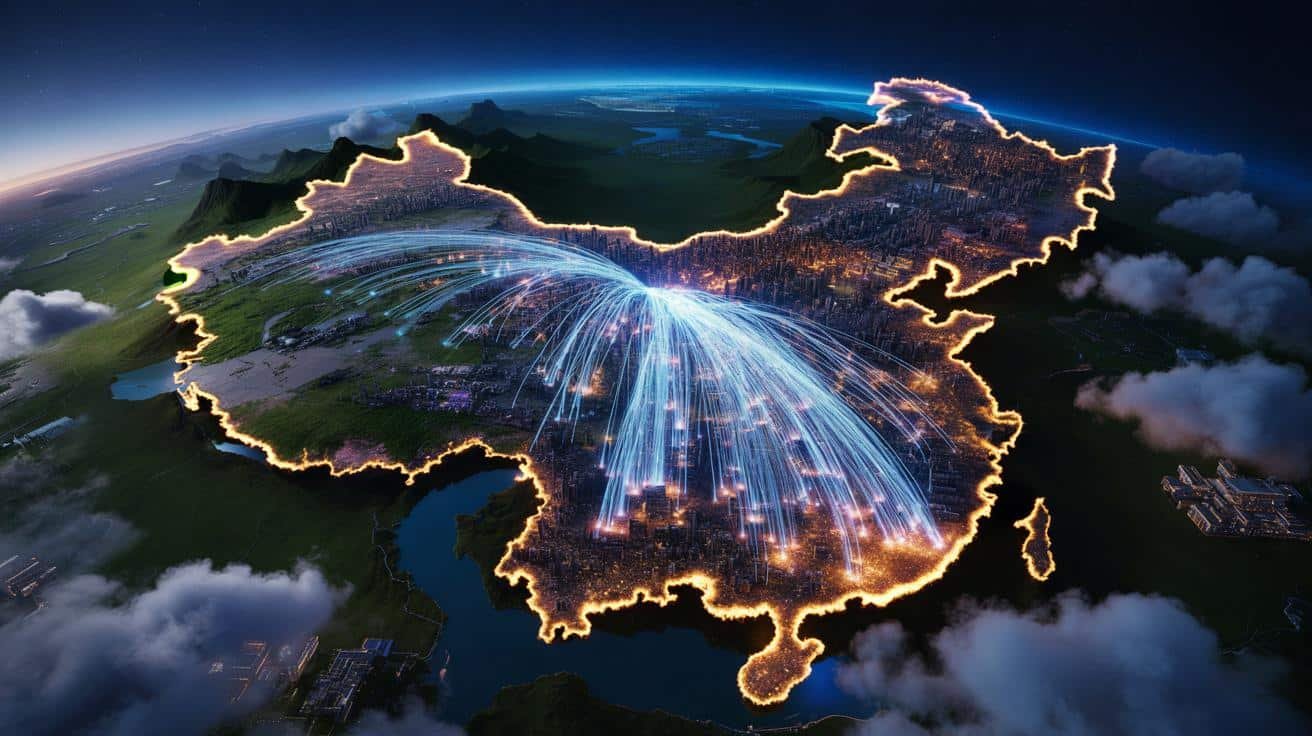

Semiconductors are the foundation of modern technology. From smartphones and electric vehicles to artificial intelligence, medical equipment, cloud computing, and defense systems, almost every advanced industry depends on computer chips. However, the semiconductor supply chain is no longer viewed simply as a business network. It has become a major issue of national security, international trade, and geopolitical competition.
As countries compete for technological leadership, governments are increasingly trying to control where chips are designed, manufactured, packaged, and sold. This shift is transforming the global technology landscape.
Why the Semiconductor Supply Chain Matters
A semiconductor may pass through several countries before reaching a consumer. Chip designs can originate in the United States, manufacturing can take place in Taiwan or South Korea, specialized equipment can come from the Netherlands and Japan, while packaging and testing may happen in Southeast Asia.
This global structure has created remarkable efficiency, but it also creates vulnerabilities. A disruption at one important stage can affect manufacturers worldwide. Recent research highlights how geopolitical tensions and export restrictions are fragmenting the semiconductor industry and encouraging companies to diversify production.
Taiwan and the Global Chip Industry
Taiwan occupies one of the most strategically important positions in the semiconductor ecosystem. Its companies play a major role in advanced chip manufacturing, particularly through Taiwan Semiconductor Manufacturing Company (TSMC).
The concentration of advanced manufacturing in Taiwan has made the region a central concern in discussions about semiconductor geopolitics. Researchers have examined scenarios ranging from economic quarantine to more severe disruptions and concluded that sudden relocation of advanced manufacturing would be extremely difficult because of high costs, specialized skills, and complex infrastructure requirements.
This means Taiwan’s semiconductor industry is important not only economically but also strategically.
US-China Technology Competition
The rivalry between the United States and China is one of the strongest forces reshaping the global semiconductor supply chain. Washington has introduced restrictions designed to limit China’s access to certain advanced chips, manufacturing technologies, and equipment.
The United States has also increasingly connected semiconductor policy with national security. In January 2026, the White House issued a proclamation concerning semiconductor and semiconductor manufacturing equipment imports, explicitly linking the sector to national security considerations.
These policies are encouraging businesses to reconsider traditional supply-chain strategies. Instead of focusing only on low costs and maximum efficiency, companies are increasingly considering resilience, political stability, export regulations, and alternative suppliers.

Europe and Semiconductor Manufacturing Equipment
The semiconductor industry depends on highly specialized manufacturing equipment, creating another important geopolitical dimension. The Netherlands, for example, is home to ASML, a critical supplier of advanced lithography systems used in cutting-edge semiconductor production. This gives equipment-producing countries significant influence over the future of advanced computing.
Japan and South Korea also occupy important positions in semiconductor materials, equipment, memory, and manufacturing. Consequently, geopolitical technology competition involves a network of countries rather than a simple two-nation rivalry.
Southeast Asia Gains Importance
As companies seek alternatives to concentrated production networks, Southeast Asia is becoming increasingly important. Countries such as Malaysia are strengthening their roles in semiconductor packaging, testing, manufacturing, and related technology services.
The expansion reflects a broader China Plus One strategy, in which companies diversify operations across multiple countries to reduce exposure to geopolitical and trade risks. Malaysia’s growing semiconductor and data-center industries illustrate how supply-chain restructuring can create new opportunities for emerging technology hubs.
Building a More Resilient Chip Supply Chain
The future of semiconductors will likely depend on diversification rather than complete isolation. Governments and companies can reduce risks by developing multiple suppliers, increasing strategic inventories, expanding manufacturing capacity, improving recycling, and investing in domestic semiconductor talent.
However, complete self-sufficiency is difficult. Advanced chips require enormous capital investment, highly specialized workers, sophisticated equipment, reliable energy supplies, and international cooperation.
The semiconductor industry is therefore moving toward a resilience-first model, where companies balance efficiency with security and flexibility. Recent developments in Taiwan and South Korea demonstrate how governments and manufacturers are responding to energy, materials, and geopolitical risks through diversification and international partnerships.
The Future of Geopolitical Technology
The semiconductor supply chain will remain at the center of global technology competition. Artificial intelligence, autonomous systems, quantum computing, electric vehicles, and advanced defense technologies will increase demand for powerful and specialized chips.
The countries that control critical technologies, manufacturing capabilities, materials, and equipment will possess significant economic and strategic influence. At the same time, excessive fragmentation could increase costs and reduce innovation.
Ultimately, the future of semiconductor supply chain security will depend on finding a balance between national interests and global cooperation. Chips may be tiny, but their importance to the global economy is enormous. As technology becomes more deeply connected to geopolitical power, semiconductor manufacturing will increasingly shape international trade, national security, and the future of innovation.
Effects of AI in Upcoming Technology
Manhole – Essential Access Points in Urban Infrastructure
RCPC Manhole Covers and Frames
Read Also: Social Network Website Design