
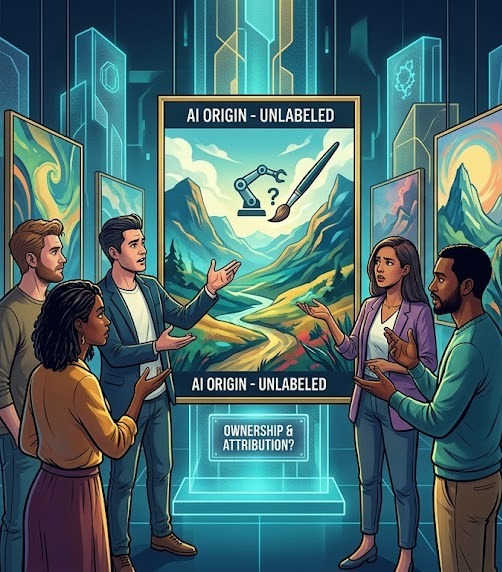
Artificial Intelligence (AI) has transformed the way people create content across industries. From writing blog posts and marketing copy to generating images and videos, AI-powered tools have made content creation faster and more efficient than ever before. However, as AI-generated content becomes increasingly common, important ethical questions arise regarding originality, transparency, misinformation, and accountability. Comprehending the ethics of AI-created content is crucial for businesses, creators, and consumers to guarantee that technology is employed in a responsible manner.
What Is AI-Generated Content?
AI-generated content refers to any text, image, audio, or video produced with the help of artificial intelligence algorithms. Modern AI tools analyse massive datasets to generate human-like content based on user prompts. These tools are widely used for content marketing, customer support, educational resources, social media posts, and creative projects.
While AI significantly improves productivity, it also raises concerns about how the generated content is created, shared, and attributed.
The Importance of Ethical AI Content Creation
Ethical AI content creation ensures that technology benefits society without causing harm. Responsible use of AI promotes trust, protects intellectual property, and prevents the spread of misleading information. Organisations that follow ethical practices build stronger relationships with their audiences while maintaining credibility.
Ignoring ethical standards can lead to copyright disputes, misinformation, biased outputs, and a loss of public trust.
Key Ethical Challenges of AI-Generated Content
1. Copyright and Originality
One of the biggest concerns surrounding AI-generated content is originality. AI systems learn from existing data, which may include copyrighted materials. Although AI creates new combinations of information, there is always a possibility of unintentionally producing content that resembles existing work.
Content creators should always review AI-generated material and ensure it is unique before publishing.
2. Transparency and Disclosure
Readers deserve to know whether content has been created by humans or generated with AI assistance. Being transparent helps establish trust between creators and audiences. Many organisations now disclose when AI has contributed to creating articles, product descriptions, or customer communications.
Transparency also encourages responsible use of AI technologies.
3. Misinformation and Accuracy
AI tools can sometimes generate incorrect or outdated information with confidence. Publishing inaccurate content without verification can spread misinformation and damage a brand’s reputation.
Fact-checking AI-generated content before publication is essential, especially in industries such as healthcare, finance, education, and law where accuracy is critical.
4. Bias and Fairness
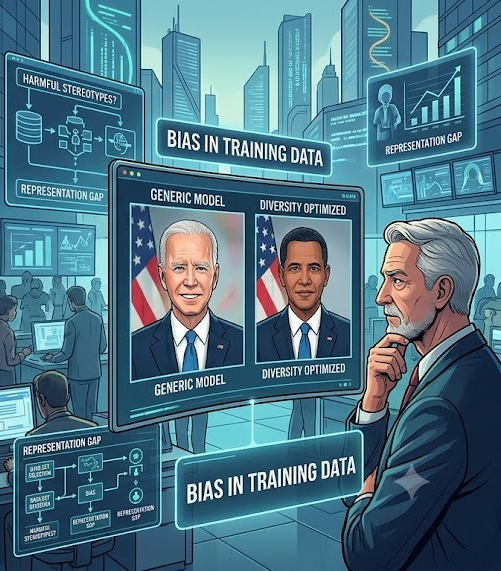
AI models learn from historical data, which may contain social or cultural biases. As a result, AI-generated content may unintentionally favour certain perspectives or reinforce stereotypes.
Developers and users should regularly evaluate AI outputs for fairness and inclusivity while making necessary corrections.
Best Practices for Ethical AI Content
To use AI responsibly, content creators should follow these best practices:
- Review and edit all AI-generated content before publishing.
- Verify facts using reliable and authoritative sources.
- Be transparent about AI involvement when appropriate.
- Respect copyright laws and intellectual property rights.
- Avoid using AI to create misleading, harmful, or deceptive content.
- Ensure content reflects diversity, fairness, and inclusivity.
Merging human knowledge with AI skills leads to content that is of superior quality and is deemed more reliable.
The Future of Ethical AI
As artificial intelligence continues to evolve, governments, technology companies, and regulatory bodies are developing guidelines for responsible AI usage. Ethical standards will become increasingly important as AI tools become more powerful and widely adopted.
Businesses that embrace ethical AI practices today will be better prepared for future regulations while earning long-term customer trust. Human oversight will remain an essential part of maintaining quality, accountability, and ethical decision-making.
The ethics of AI-generated content extends beyond technology—it is about responsibility, honesty, and respect for creators and audiences alike. AI offers incredible opportunities to improve productivity and creativity, but it should never replace human judgment. By prioritising transparency, originality, accuracy, and fairness, individuals and organisations can harness the power of AI while maintaining ethical standards. Responsible AI content creation is the key to building trust and ensuring that artificial intelligence contributes positively to the future of digital communication.
Effects of AI in Upcoming Technology
Manhole – Essential Access Points in Urban Infrastructure
RCPC Manhole Covers and Frames
Read Also : Social Network Website Design