Micro-webinars have become one of the most effective ways to educate, engage, and convert audiences in a short amount of time. Unlike traditional webinars that can last an hour or more, micro-webinars are typically 10 to 30 minutes long, making them ideal for busy professionals and modern audiences with shorter attention spans. If you want to increase audience engagement, generate quality leads, or establish authority in your industry, this step guide to running micro-webinars successfully will help you achieve your goals.
What Is a Micro-Webinar?
A micro-webinar is a short, focused online presentation that covers a single topic or solves one specific problem. Because of their concise format, attendees are more likely to stay until the end and take the desired action. Businesses, educators, consultants, and marketers use micro-webinars to share valuable insights while maintaining high engagement rates.
Define a Clear Goal
Every successful micro-webinar starts with a well-defined objective. Decide whether your goal is to generate leads, educate customers, promote a product, or build brand awareness. Having a clear purpose ensures your content remains focused and delivers value to your audience.
For example, if you’re introducing a new software tool, your webinar should demonstrate its key features and explain how it solves a common problem rather than covering multiple unrelated topics.
Choose a Specific Topic
The biggest mistake many presenters make is trying to cover too much information. A micro-webinar should focus on one clear subject that attendees can understand and apply immediately.
Examples include:
- Five Productivity Hacks for Remote Teams
- Beginner’s Guide to AI Writing Tools
- How to Improve Website Speed in 15 Minutes
A focused topic keeps your audience engaged and makes your webinar more memorable.
Prepare Engaging Content
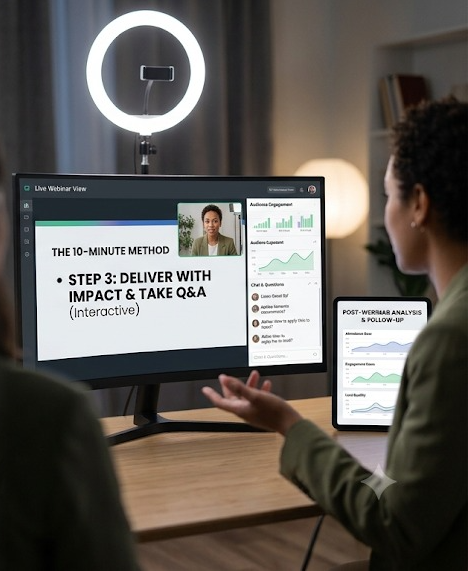
Since time is limited, every minute matters. Create a simple presentation with an engaging introduction, valuable insights, practical examples, and a strong conclusion. Avoid filling slides with lengthy paragraphs. Instead, use bullet points, visuals, charts, and real-life examples to communicate your message effectively.
Practice your presentation beforehand to ensure it fits comfortably within your planned time.
Promote Your Webinar Early
Even the best webinar won’t succeed without attendees. Start promoting your event at least one week in advance using email newsletters, social media platforms, your website, and professional communities.
Your promotional message should clearly explain:
- What attendees will learn
- When the webinar will take place
- How long it will last
- How to register
Creating a sense of urgency with limited seats or exclusive bonuses can also increase registrations.
Engage Your Audience Throughout
Audience interaction is one of the keys to running micro-webinars successfully. Encourage participation by asking questions, conducting quick polls, or inviting attendees to share their experiences in the chat.
Keeping the session interactive helps maintain attention and makes participants feel involved rather than simply listening to a presentation.
End with a Strong Call to Action
Every webinar should conclude with a clear next step. Depending on your goals, invite attendees to:
- Download a free resource
- Book a consultation
- Sign up for a free trial
- Visit your website
- Register for an advanced training session
A compelling call to action helps convert engaged viewers into customers or loyal followers.
Follow Up After the Webinar
Your work doesn’t end when the webinar finishes. Send a thank-you email within 24 hours that includes the webinar recording, presentation slides, additional resources, and your call to action. Following up keeps your audience engaged and increases conversion opportunities.
You can also request feedback through a short survey to improve future webinars.
Measure Your Results
Track key performance metrics such as registration numbers, attendance rate, audience retention, engagement levels, and conversion rates. Analysing these metrics helps you identify what worked well and where improvements can be made for future sessions.
Continuous evaluation ensures every new micro-webinar becomes more effective than the last.
Running successful micro-webinars doesn’t require expensive equipment or lengthy presentations. By choosing a focused topic, creating valuable content, encouraging audience interaction, promoting your event strategically, and following up afterwards, you can deliver impactful sessions that educate, engage, and convert. As online learning and digital marketing continue to evolve, mastering the art of micro-webinars can become a powerful strategy for growing your brand, building trust, and generating lasting business results.
Freelancerson.com a Free Marketplace for Freelancers and Clients
Read Also: Job Seeker Website Portal