
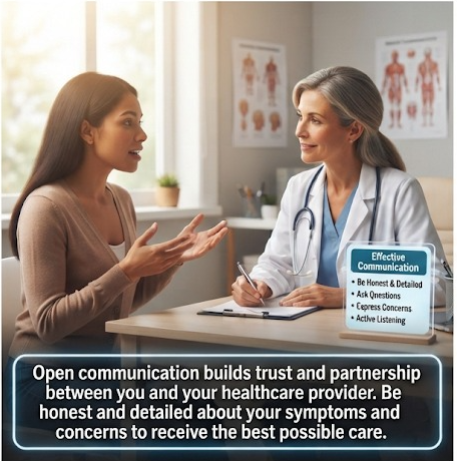
Open communication in health is one of the most important foundations of quality healthcare. It allows patients, healthcare providers, and caregivers to exchange accurate information, understand concerns, and make informed decisions together. Whether discussing symptoms, treatment plans, or emotional well-being, honest communication improves health outcomes and strengthens relationships between patients and medical professionals.
In today’s fast-paced healthcare environment, clear communication has become more essential than ever. It reduces misunderstandings, improves patient satisfaction, and promotes better physical and mental health. This article explores the importance of open communication in health, its benefits, challenges, and practical ways to encourage meaningful conversations.
What Is Open Communication in Health?
Open communication in health refers to the transparent, honest, and respectful exchange of information between healthcare professionals, patients, and family members. It involves actively listening, asking questions, expressing concerns, and sharing relevant medical information without fear or hesitation.
Effective communication is not limited to doctor-patient interactions. It also includes communication among nurses, specialists, pharmacists, caregivers, and support staff to ensure coordinated and safe healthcare.
Why Open Communication Matters in Healthcare
Healthcare decisions often involve complex medical information. When communication is open and transparent, patients better understand their conditions and treatment options.
Some key reasons why open communication is important include:
- Builds trust between patients and healthcare providers.
- Reduces medical errors caused by misunderstandings.
- Encourages early diagnosis through honest symptom reporting.
- Improves treatment adherence and recovery.
- Supports emotional and mental well-being.
Trust encourages patients to share sensitive information that may be critical for accurate diagnosis and successful treatment.
Benefits of Open Communication in Health
1. Improves Patient Safety
Miscommunication is one of the leading causes of preventable medical errors. When healthcare professionals communicate clearly and patients openly discuss medications, allergies, and symptoms, the risk of mistakes decreases significantly.
Accurate communication ensures that everyone involved in patient care has the correct information.
2. Enhances Treatment Effectiveness
Patients who fully understand their treatment plans are more likely to follow medication schedules, attend follow-up appointments, and adopt healthier lifestyles.
Open discussions allow healthcare providers to explain:
- Medication usage
- Possible side effects
- Lifestyle recommendations
- Expected recovery timelines
This clarity increases treatment success.
3. Promotes Better Mental Health
Mental health often carries stigma, making many individuals reluctant to discuss anxiety, depression, or emotional struggles.
An environment that encourages honest conversations helps patients feel safe sharing their concerns. Early communication can lead to faster diagnosis, counseling, and appropriate treatment.
4. Strengthens Doctor-Patient Relationships
A strong relationship between doctors and patients is built on mutual respect and trust.
When doctors listen attentively and patients feel heard, satisfaction improves. Patients become more confident in their healthcare decisions and are more willing to participate actively in their treatment.

Open Communication Supports Preventive Healthcare
Preventive healthcare is centered on recognizing health hazards prior to them escalating into severe issues.
When patients communicate openly about:
- Family medical history
- Lifestyle habits
- Diet
- Exercise
- Stress levels
Healthcare providers can recommend screenings, vaccinations, and preventive measures tailored to individual needs.
Early intervention often reduces healthcare costs and improves long-term health outcomes.
Challenges to Open Communication
Despite its importance, several barriers can limit effective communication in healthcare.
Language Differences
Patients and healthcare providers may struggle when they do not share the same language. Professional interpreters and multilingual resources help bridge this gap.
Fear and Embarrassment
Many people avoid discussing personal health issues due to embarrassment or fear of judgment.
Creating a respectful, non-judgmental environment encourages honesty.
Limited Consultation Time
Busy healthcare settings often result in short appointments, leaving little time for detailed conversations.
Patients can prepare questions in advance to make consultations more productive.
Medical Jargon
Complex medical terminology may confuse patients.
Healthcare providers should use simple, understandable language to explain diagnoses and treatments.
How Patients Can Improve Communication
Patients play an active role in successful healthcare communication.
Helpful practices include:
- Prepare questions before appointments.
- Share complete medical histories.
- Mention all medications and supplements.
- Report symptoms honestly.
- Ask for clarification when something is unclear.
- Take notes during consultations.
Being proactive helps healthcare providers deliver more personalized care.
Tips for Healthcare Professionals
Healthcare professionals can foster open communication by:
- Listening without interruption.
- Showing empathy and compassion.
- Encouraging patient questions.
- Explaining medical terms in plain language.
- Confirming patient understanding.
- Respecting cultural differences and individual preferences.
These practices create a patient-centered healthcare experience.
The Role of Technology in Health Communication
Digital health tools have transformed communication between patients and providers.
Patient portals, telemedicine, secure messaging, and mobile health apps allow patients to access medical records, schedule appointments, receive reminders, and communicate with healthcare teams more conveniently.
However, technology should complement—not replace—meaningful face-to-face communication whenever possible.
The importance of open communication in health cannot be overstated. Honest conversations improve patient safety, strengthen trust, enhance treatment outcomes, and support both physical and mental well-being. By encouraging transparency, active listening, and mutual respect, healthcare providers and patients can work together to achieve better health outcomes.
As healthcare continues to evolve, prioritizing open communication remains one of the most effective ways to deliver compassionate, patient-centered care. Whether during routine checkups or complex medical treatments, clear communication empowers individuals to make informed decisions and leads to healthier communities.
Liver Cancer Symptoms Cause and Remedy
Read Also: Medical Website Design