Puberty is a natural stage of growth that marks the transition from childhood to adulthood. Although many females begin puberty between the ages of 8 and 13, some go through these changes much later. Being a late bloomer is often completely normal and may simply reflect family genetics. However, understanding the late bloomer puberty signs in females can help parents and young women recognize whether delayed development is part of normal growth or requires medical evaluation.
What Is Late Blooming Puberty?
A late bloomer is a girl whose physical development starts later than the average age. Doctors generally consider puberty delayed if breast development has not begun by age 13 or if menstruation has not started by age 15 despite other signs of puberty.
It’s not always a cause for concern when puberty is delayed. In many cases, it is known as constitutional delay of growth and puberty, meaning the body develops at its own pace without any underlying health problem.
Common Late Bloomer Puberty Signs in Females
Recognizing the signs of delayed puberty can help determine whether development is progressing normally. Some of the most common symptoms include:
1. Delayed Breast Development
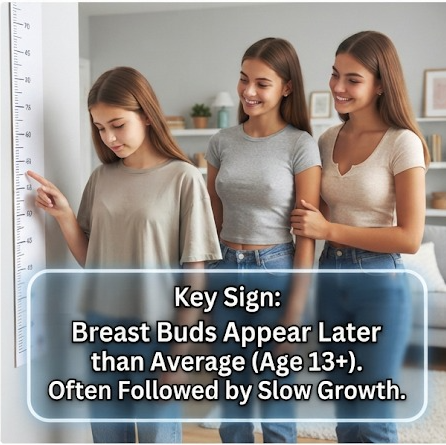
The first visible sign of puberty in most girls is breast budding. If there is little or no breast growth by age 13, it may indicate delayed puberty.
2. Absence of Menstrual Periods
Most girls begin menstruating approximately two to three years after breast development starts. If periods have not begun by age 15, it is recommended to consult a healthcare provider.
3. Slow Growth Spurt
Girls usually experience a rapid increase in height during puberty. Late bloomers may continue to develop at a steady but slower rate than their faster-developing peers.
4. Minimal Body Hair
Puberty typically brings the growth of pubic and underarm hair. A lack of noticeable body hair development can be another sign that puberty has not fully started.
5. Childlike Body Shape
A delayed change in body composition, including wider hips and increased body fat distribution around the hips and thighs, is another common indicator of late puberty.

What Causes Delayed Puberty in Girls?
Several factors may contribute to late blooming puberty, including:
- Family history of delayed puberty
- Low body weight or poor nutrition
- Excessive physical activity, especially competitive sports
- Chronic illnesses such as celiac disease or inflammatory bowel disease
- Hormonal imbalances affecting the ovaries, thyroid, or pituitary gland
- Genetic conditions that influence reproductive development
In many cases, genetics play the most significant role, and puberty eventually begins naturally.
When Should You See a Doctor?
Although delayed puberty is often harmless, medical advice should be sought if:
- No breast development has occurred by age 13.
- Menstruation has not started by age 15.
- Growth appears significantly slower than expected.
- There are symptoms of an underlying illness, such as fatigue, weight loss, or persistent digestive problems.
A healthcare provider may recommend blood tests, hormone evaluations, growth assessments, or imaging studies to determine the cause.
Can Late Puberty Be Treated?
Treatment depends entirely on the underlying cause. Girls with constitutional delayed puberty usually require reassurance and regular monitoring. If hormonal deficiencies are identified, doctors may recommend hormone therapy to stimulate normal development.
Maintaining a balanced diet, getting adequate sleep, managing stress, and engaging in moderate physical activity also support healthy growth and overall well-being.
Emotional Impact of Being a Late Bloomer
Developing later than friends can sometimes affect confidence and self-esteem. Girls may feel embarrassed or left behind during adolescence. Parents and caregivers should offer reassurance, emphasizing that everyone develops at a different pace. Open communication and emotional support can make this stage much easier to navigate.
Understanding the late bloomer puberty signs in females helps distinguish normal developmental differences from conditions that may require medical attention. While delayed puberty can feel stressful, many girls simply mature later due to hereditary factors and eventually experience completely normal development. If puberty has not started by the expected age or if there are additional health concerns, consulting a healthcare professional is the best way to ensure healthy growth and provide peace of mind.
Liver Cancer Symptoms Cause and Remedy
Read Also: Medical Website Design