
One of the most prevalent digestive issues among women is bloating. It can make the stomach feel swollen, tight, and uncomfortable, often affecting daily activities and confidence. While occasional bloating after a large meal is normal, persistent bloating may indicate underlying issues that many women overlook. Understanding the hidden causes of female bloating can help identify effective solutions and improve overall well-being.
What Is Female Bloating?
Female bloating occurs when the abdomen feels full, swollen, or stretched. It may be accompanied by gas, stomach discomfort, or visible abdominal enlargement. Hormonal fluctuations, digestive problems, and lifestyle habits can all contribute to bloating.
Hormonal Changes and Menstrual Cycles
One of the most common hidden causes of female bloating is hormonal fluctuation. During the menstrual cycle, levels of estrogen and progesterone change significantly. These hormonal shifts can cause the body to retain water and slow digestion, leading to abdominal swelling.
Many women experience bloating a few days before their period and during menstruation. This type of bloating is usually temporary but can feel severe in some cases.
Food Intolerances and Sensitivities
Food intolerances often go undiagnosed for years. Sensitivities to lactose, gluten, or certain carbohydrates can cause excessive gas production and bloating. Unlike food allergies, intolerances may produce subtle symptoms that worsen over time.
Common trigger foods include:
- Dairy products
- Wheat-based foods
- Beans and legumes
- Carbonated beverages
- Artificial sweeteners
Keeping a food diary can help identify foods that may be contributing to bloating.

Poor Gut Health
An imbalance in gut bacteria can significantly impact digestion. The digestive system relies on beneficial bacteria to break down food efficiently. When harmful bacteria outnumber healthy bacteria, symptoms such as bloating, gas, and abdominal discomfort may occur.
Factors that can disrupt gut health include:
- Frequent antibiotic use
- High-sugar diets
- Chronic stress
- Lack of fiber
Supporting gut health with probiotic-rich foods and a balanced diet may help reduce bloating.
Chronic Stress and Anxiety
Many women are surprised to learn that stress can directly affect digestion. The gut-brain axis is a strong link between the gut and the brain. When stress levels increase, digestion can slow down, causing food to remain in the digestive tract longer than normal.
This delayed digestion may lead to:
- Increased gas production
- Stomach discomfort
- Abdominal bloating
Managing stress through exercise, meditation, and adequate sleep can improve digestive health.
Dehydration and Water Retention
It may seem counterintuitive, but not drinking enough water can cause bloating. When the body becomes dehydrated, it tends to retain fluids as a protective mechanism. This water retention often leads to puffiness and abdominal swelling.
Drinking adequate amounts of water throughout the day helps support digestion and reduce fluid retention.
Digestive Disorders
Persistent bloating may sometimes be linked to underlying digestive conditions. Common disorders associated with chronic bloating include:
- Irritable Bowel Syndrome (IBS)
- Small Intestinal Bacterial Overgrowth (SIBO)
- Constipation
- Gastroesophageal Reflux Disease (GERD)
Women experiencing long-term bloating should consult a healthcare professional for proper diagnosis and treatment.
Lack of Physical Activity
A sedentary lifestyle can slow digestion and contribute to gas buildup in the digestive tract. Regular movement helps stimulate bowel function and improves digestive efficiency.
Simple activities such as walking, yoga, or light exercise can significantly reduce bloating symptoms.
How to Reduce Female Bloating Naturally
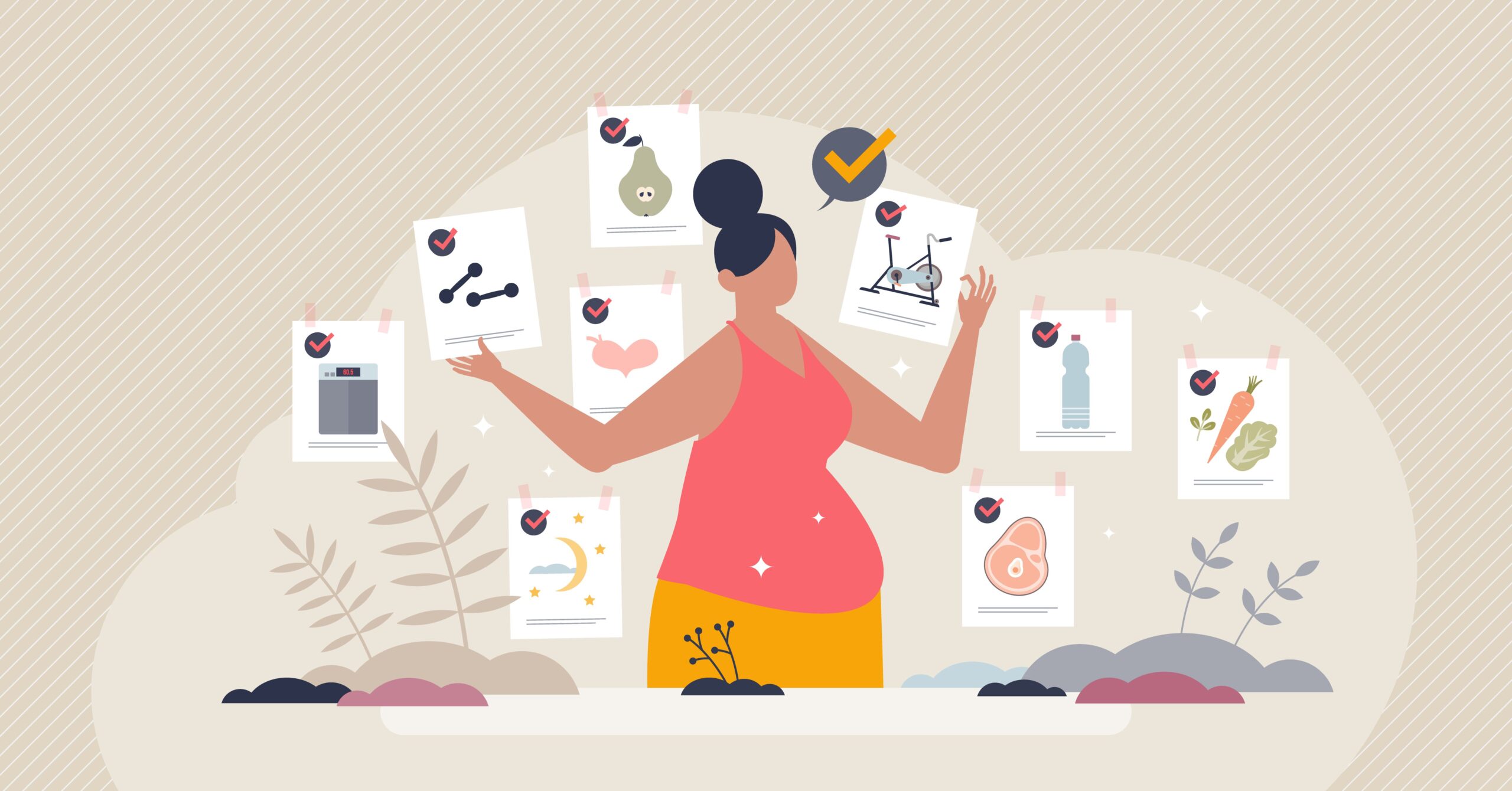
To minimize bloating, consider these healthy habits:
- Stay hydrated throughout the day.
- Eat smaller, balanced meals.
- Limit processed foods and excess salt.
- Exercise regularly.
- Manage stress effectively.
- Identify and avoid trigger foods.
Female bloating is often caused by more than just overeating. Hidden factors such as hormonal changes, food intolerances, poor gut health, stress, dehydration, and digestive disorders can all contribute to persistent abdominal discomfort. By understanding these underlying causes and making healthy lifestyle adjustments, women can reduce bloating and enjoy better digestive health. If bloating becomes severe or persistent, seeking medical advice is essential to rule out any underlying health conditions.
Liver Cancer Symptoms Cause and Remedy
Read Also: Medical Website Design