
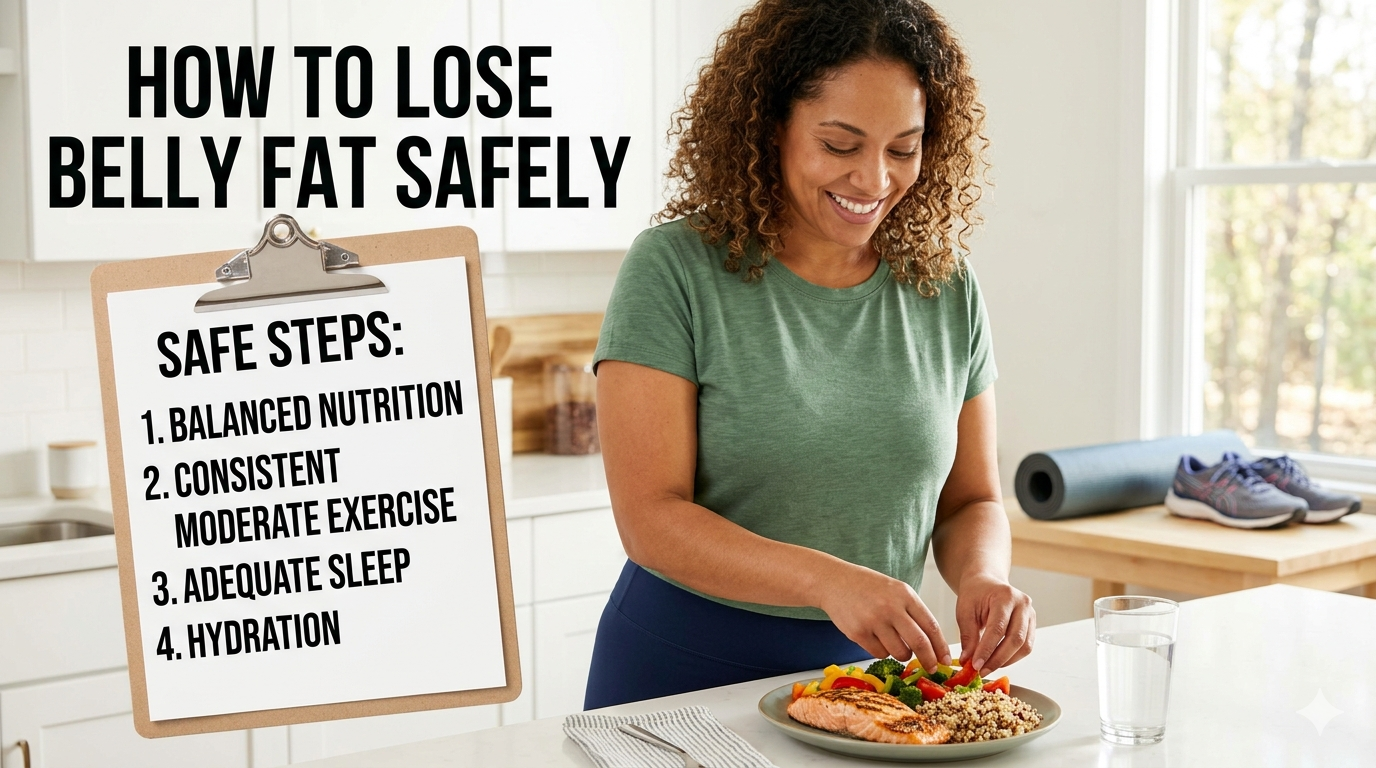
One of the most prevalent health concerns across all age groups is stomach obesity. Excess abdominal fat not only affects appearance but can also increase the risk of serious health conditions such as heart disease, type 2 diabetes, and high blood pressure. While many quick-fix solutions promise rapid results, the safest and most effective way to lose belly fat is through sustainable lifestyle changes. This guide explains how to lose belly fat safely and maintain long-term results.
Understanding Belly Fat
Before starting any weight-loss journey, it is important to understand what belly fat is. There are two main types of abdominal fat:
- Subcutaneous Fat: Located just beneath the skin.
- Visceral Fat: Found deeper inside the abdomen around internal organs.
Visceral fat is particularly dangerous because it is linked to various health problems. Reducing both types of fat requires a combination of healthy eating, regular exercise, and good lifestyle habits.
Follow a Balanced and Nutritious Diet
In lowering belly fat, a nutritious diet is essential. Instead of following extreme diets, focus on balanced nutrition.
Eat More Protein
Protein helps increase feelings of fullness and supports muscle maintenance during weight loss. Include foods such as:
- Eggs
- Fish
- Chicken breast
- Lentils
- Greek yogurt
- Tofu
Increase Fiber Intake
Soluble fiber can help reduce belly fat by slowing digestion and controlling appetite. Good sources include:
- Oats
- Fruits
- Vegetables
- Beans
- Chia seeds
Reduce Added Sugar
Excess sugar consumption contributes to weight gain and fat accumulation around the waist. Limit sugary drinks, candies, desserts, and processed snacks.
Stay Physically Active
Regular exercise is one of the most effective ways to lose belly fat safely.
Cardiovascular Exercise
Activities that raise your heart rate help burn calories and improve overall fitness. Examples include:
- Brisk walking
- Jogging
- Cycling
- Swimming
- Dancing
Strive for a minimum of 150 minutes of moderate-intensity aerobic exercise every week.
Strength Training
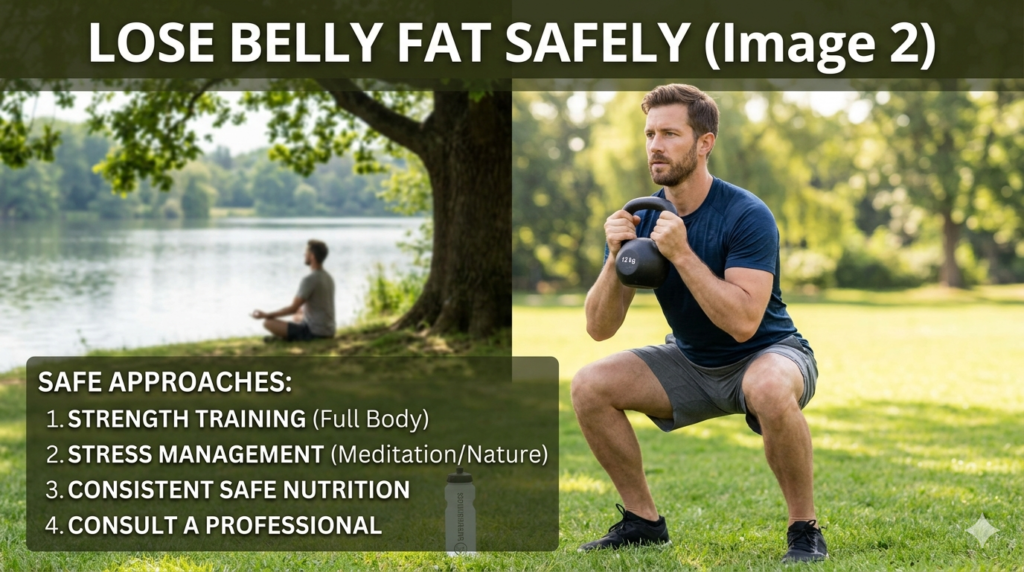
Building muscle increases metabolism and helps the body burn more calories even at rest. Incorporate strength-training exercises at least two to three times per week. Focus on exercises such as:
- Squats
- Push-ups
- Lunges
- Deadlifts
- Resistance band workouts
Get Enough Sleep
Sleep is often overlooked when trying to lose belly fat. Overeating can result from insufficient sleep interfering with the hormones that control appetite and hunger.
Adults should aim for 7 to 9 hours of quality sleep each night. To improve sleep quality:
- Maintain a consistent bedtime
- Avoid screens before sleep
- Keep the bedroom cool and dark
- Limit caffeine in the evening
Manage Stress Levels
Chronic stress can increase the production of cortisol, a hormone associated with abdominal fat storage. Effective stress-management techniques include:
- Meditation
- Deep breathing exercises
- Yoga
- Spending time outdoors
- Engaging in hobbies
Reducing stress can support both mental well-being and healthy weight management.
Stay Hydrated Throughout the Day
Digestion, metabolism, and appetite control are all improved by drinking enough water. Sometimes thirst is mistaken for hunger, leading to unnecessary calorie intake.
Try to:
- Drink water before meals
- Carry a reusable water bottle
- Instead of sugary drinks, drink water or herbal tea.
Proper hydration can contribute to gradual and sustainable fat loss.
Avoid Common Belly Fat Loss Myths
Many products claim to target belly fat specifically, but spot reduction is largely a myth. No exercise or supplement can remove fat from only one area of the body. Overall fat loss through healthy habits is the most reliable approach.
Be cautious of:
- Crash diets
- Detox teas
- Fat-burning pills
- Extreme fasting methods
These approaches often provide temporary results and may negatively affect health.
Track Your Progress Consistently
Monitoring your progress can help maintain motivation. Instead of concentrating exclusively on the scale, think about the following:
- Measuring waist circumference
- Taking progress photos
- Tracking fitness improvements
- Monitoring energy levels
Small improvements over time often indicate meaningful progress.
Learning how to lose belly fat safely requires patience, consistency, and realistic expectations. A combination of balanced nutrition, regular exercise, quality sleep, stress management, and proper hydration can help reduce abdominal fat while improving overall health. Rather than seeking quick fixes, focus on sustainable habits that support long-term success. By making gradual lifestyle changes, you can achieve a healthier body and maintain your results for years to come.
Liver Cancer Symptoms Cause and Remedy
Read Also: Medical Website Design


