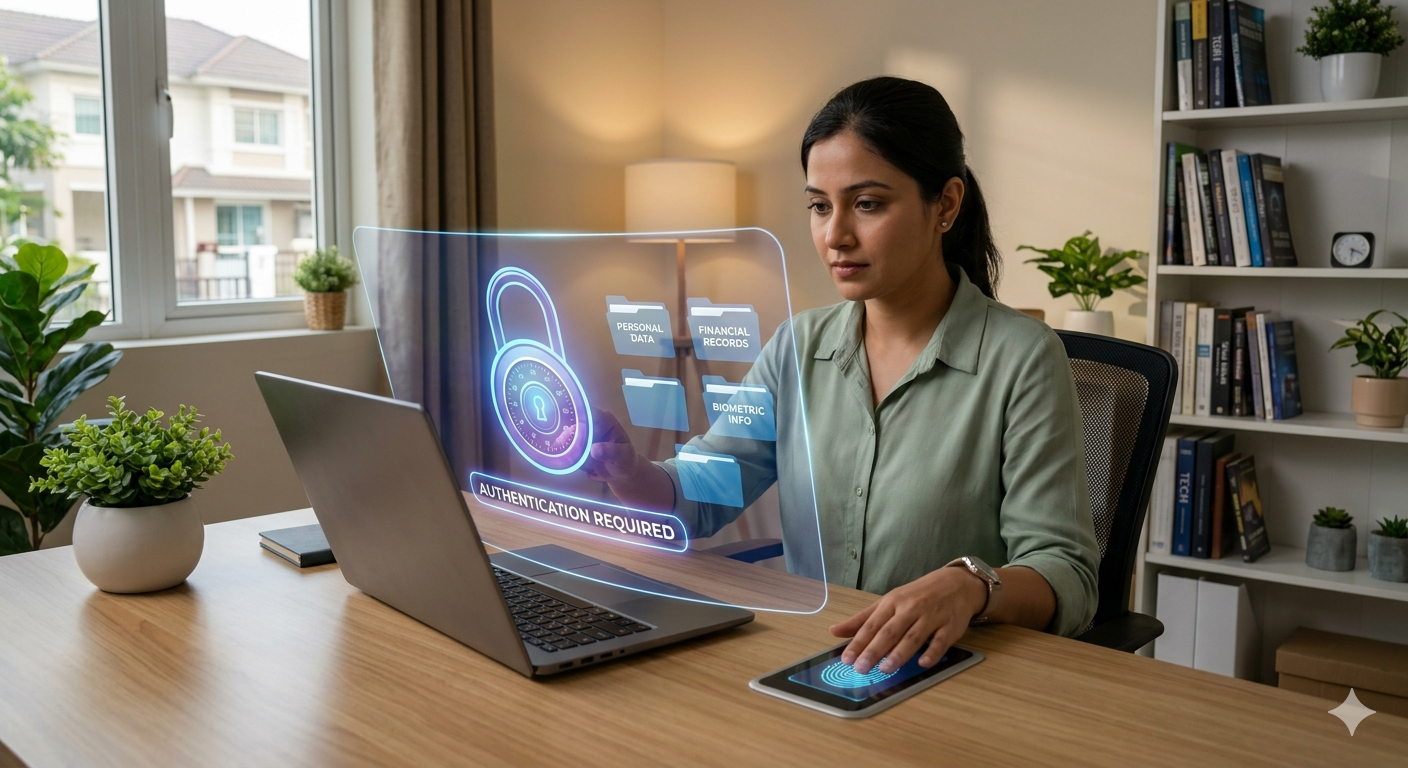
In today’s digital world, personal information is constantly being shared, stored, and processed online. From social media platforms and online banking to shopping websites and mobile applications, our data travels across countless networks every day. As cyber threats continue to evolve, protecting data privacy has become more important than ever. Understanding how to secure your personal information can help prevent identity theft, financial fraud, and unauthorized access to sensitive data.
This guide explains practical and effective ways to protect data privacy and maintain online security.
Why Data Privacy Matters
Protect Data Privacy refers to the protection of personal information from unauthorized access, misuse, or disclosure. Personal data may include your name, email address, phone number, financial details, passwords, and browsing habits.
When personal information falls into the wrong hands, it can lead to serious consequences such as:
- Identity theft
- Financial losses
- Privacy violations
- Reputation damage
- Unauthorized account access
Taking proactive measures can significantly reduce these risks and help you stay safe online.
Use Strong and Unique Passwords
One of the simplest yet most effective ways to protect your data privacy is by creating strong passwords. Weak passwords are easy targets for cybercriminals.
Follow these password security tips:
- Use at least 12–16 characters.
- Include uppercase and lowercase letters.
- Add numbers and special symbols.
- Avoid personal information such as birthdays or names.
- Use different passwords for each account.
A password manager can assist in creating and safely keeping track of complicated passwords for all your online accounts.
Enable Two-Factor Authentication (2FA)
Two-factor authentication provides an additional level of security for your accounts. Even if someone obtains your password, they will still need a second verification method to gain access.
Common forms of 2FA include:
- SMS verification codes
- Authentication apps
- Security keys
- Biometric verification
Enabling 2FA on email accounts, banking apps, and social media platforms greatly improves account security.
Be Careful with Public Wi-Fi Networks
Public Wi-Fi networks found in cafes, airports, and hotels often lack proper security measures. Hackers can intercept data transmitted over unsecured networks.
To stay protected:
- Avoid accessing banking or financial accounts on public Wi-Fi.
- Use a Virtual Private Network (VPN).
- Turn off automatic Wi-Fi connections.
- Ensure websites use HTTPS encryption.
Using secure connections helps prevent unauthorized data interception.

Keep Software and Devices Updated
Software updates are not only about new features; they also contain important security patches that fix vulnerabilities.
Regularly update:
- Operating systems
- Web browsers
- Mobile apps
- Antivirus software
- Smart devices
Automatic updates can help ensure that your devices remain protected against emerging cyber threats.
Limit Information Shared Online
Oversharing personal information on social media can increase privacy risks. Cybercriminals often use publicly available information to conduct phishing attacks or identity theft.
Consider these best practices:
- Review privacy settings regularly.
- Avoid posting sensitive information.
- Restrict profile visibility to trusted contacts.
- Think carefully before sharing personal details online.
Maintaining control over your digital footprint is essential for protecting privacy.
Recognize Phishing Scams
Phishing attacks are designed to trick users into revealing passwords, financial information, or other sensitive data.
Warning signs include:
- Suspicious email addresses
- Urgent requests for action
- Unexpected attachments
- Links directing to unfamiliar websites
- Poor grammar and spelling
Always verify the authenticity of emails and messages before clicking links or sharing information.
Use Reliable Security Software
Comprehensive security software helps detect and block threats before they compromise your data.
Choose trusted solutions that offer:
- Antivirus protection
- Anti-malware scanning
- Firewall security
- Real-time threat monitoring
Regular scans can help identify vulnerabilities and remove malicious software from your devices.
Monitor Your Online Accounts
Frequently reviewing account activity allows you to identify suspicious behavior early.
Check for:
- Unrecognized login attempts
- Unauthorized transactions
- Changes to account settings
- Unknown devices connected to your accounts
Prompt action can minimize damage if a security incident occurs.
Protecting data privacy is an ongoing responsibility in the digital age. By using strong passwords, enabling two-factor authentication, updating software, avoiding risky networks, and staying alert to online threats, individuals can significantly improve their cybersecurity posture. Taking these simple yet effective steps helps safeguard personal information, reduce security risks, and ensure a safer online experience. Prioritizing data privacy today can prevent major problems in the future and provide greater peace of mind in an increasingly connected world.
Effects of AI in Upcoming Technology
Manhole – Essential Access Points in Urban Infrastructure
RCPC Manhole Covers and Frames
Read Also : Social Network Website Design