The Internet of Things (IoT) is one of the most innovative technologies shaping the modern world. It refers to a network of physical devices connected to the internet that can collect, share, and analyze data without requiring constant human intervention. From smart homes to healthcare systems, IoT technology is making life more convenient, efficient, and secure. Understanding real-world Internet of Things examples can help businesses and individuals appreciate the impact of this rapidly growing technology.
What Is the Internet of Things (IoT)?
The Internet of Things is a system of interconnected devices embedded with sensors, software, and communication technologies. These devices exchange data through the internet, enabling automation and intelligent decision-making. IoT is widely used in homes, industries, healthcare, transportation, agriculture, and many other sectors.
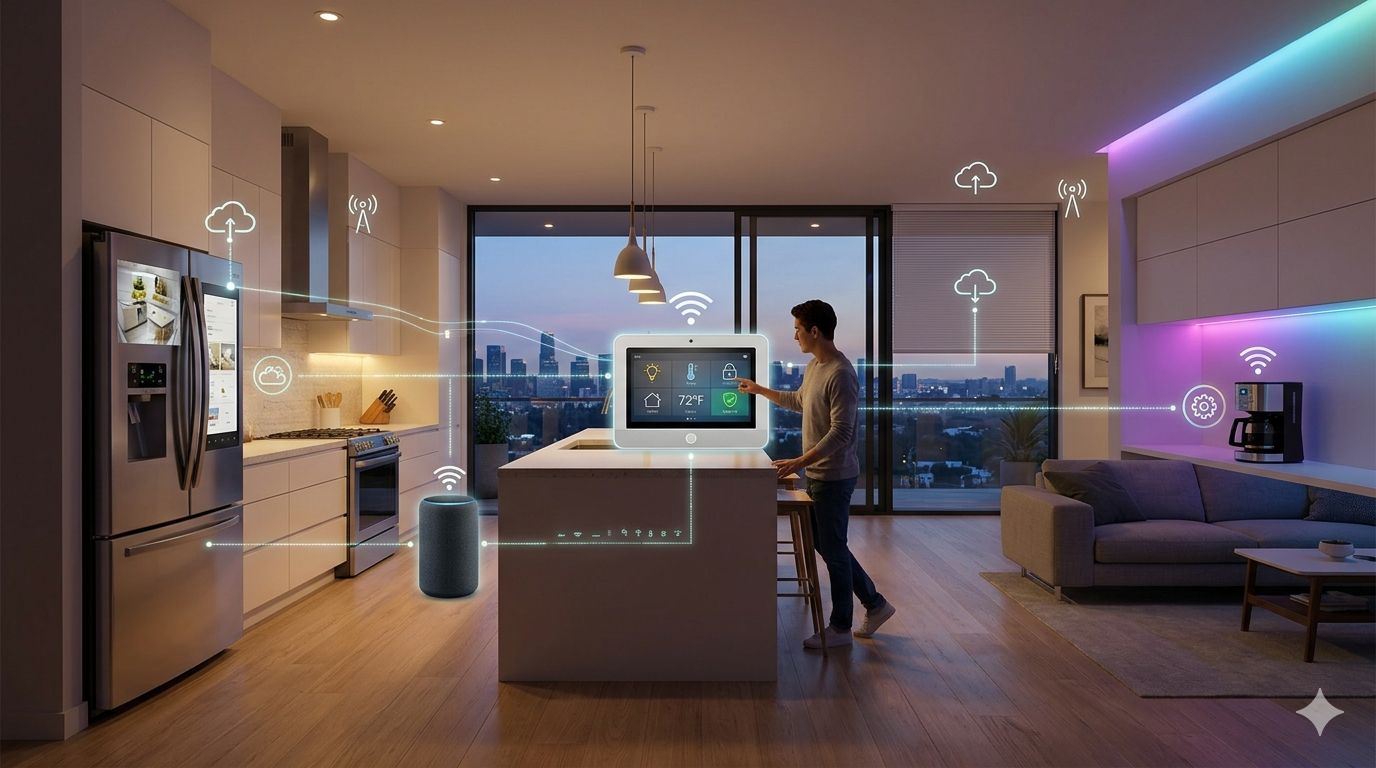
Smart Home Devices
One of the most common Internet of Things examples is smart home technology. Devices such as smart thermostats, smart lights, and smart security cameras can be controlled remotely using smartphones or voice assistants.
For example, a smart thermostat can automatically adjust room temperature based on user preferences and weather conditions. Smart doorbells allow homeowners to monitor visitors in real time, enhancing home security and convenience.
Wearable Fitness Trackers
IoT is also commonly used in wearable gadgets. Smartwatches and fitness bands monitor health-related data such as heart rate, sleep patterns, calorie consumption, and daily physical activity.
These devices provide users with valuable health insights and can even alert them to potential health issues. Fitness trackers have become an essential tool for individuals who want to maintain a healthy lifestyle and monitor their wellness goals.
IoT in Healthcare
Healthcare is benefiting significantly from IoT technology. Connected medical devices help healthcare professionals monitor patients remotely and provide timely treatment.
Examples include smart glucose monitors for diabetic patients, wearable heart monitors, and remote patient monitoring systems. These devices continuously collect health data and send it to doctors, improving patient care while reducing hospital visits.
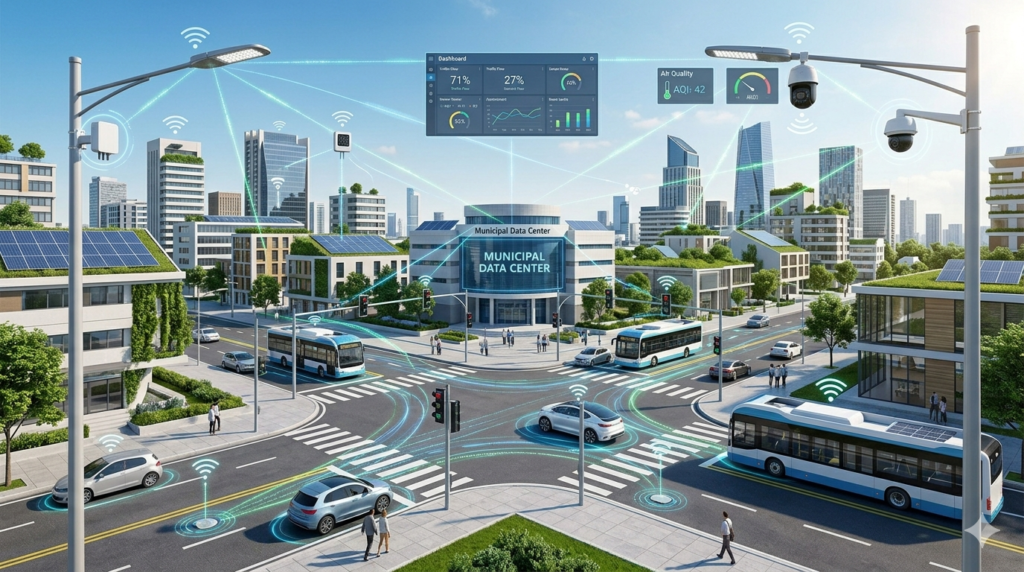
Smart Transportation Systems
The transportation industry is increasingly adopting IoT solutions to improve efficiency and safety. Connected vehicles can communicate with other vehicles, traffic signals, and road infrastructure.
GPS tracking systems, smart parking solutions, and fleet management platforms are excellent examples of IoT in transportation. These technologies help reduce traffic congestion, optimize routes, and enhance overall travel experiences.
Industrial IoT (IIoT)
Industrial IoT refers to the use of connected devices in manufacturing and industrial environments. Sensors installed on machinery can monitor performance, detect faults, and predict maintenance needs.
This approach helps businesses reduce downtime, increase productivity, and lower operational costs. Smart factories are becoming more common as organizations embrace Industry 4.0 technologies powered by IoT.
Smart Agriculture
Agriculture is also experiencing a technological transformation through IoT. Farmers use connected sensors to monitor soil moisture, weather conditions, crop health, and irrigation systems.
Smart farming solutions help optimize water usage, improve crop yields, and reduce resource waste. As global food demand continues to grow, IoT is playing a vital role in sustainable agriculture practices.
Benefits of Internet of Things Technology
IoT offers numerous benefits across various industries. Some key advantages include:
- Improved efficiency and automation
- Real-time data collection and analysis
- Enhanced decision-making capabilities
- Reduced operational costs
- Better customer experiences
- Increased safety and security
These benefits make IoT a valuable technology for businesses seeking innovation and competitive advantages.
The Internet of Things is transforming the way people live and work by connecting devices and enabling intelligent automation. From smart homes and wearable devices to healthcare, transportation, industrial operations, and agriculture, IoT applications continue to expand rapidly. As technology advances, the number of Internet of Things examples will grow, creating smarter, more connected environments that improve efficiency, productivity, and quality of life.
Effects of AI in Upcoming Technology
Manhole – Essential Access Points in Urban Infrastructure
RCPC Manhole Covers and Frames
Read Also : Social Network Website Design