
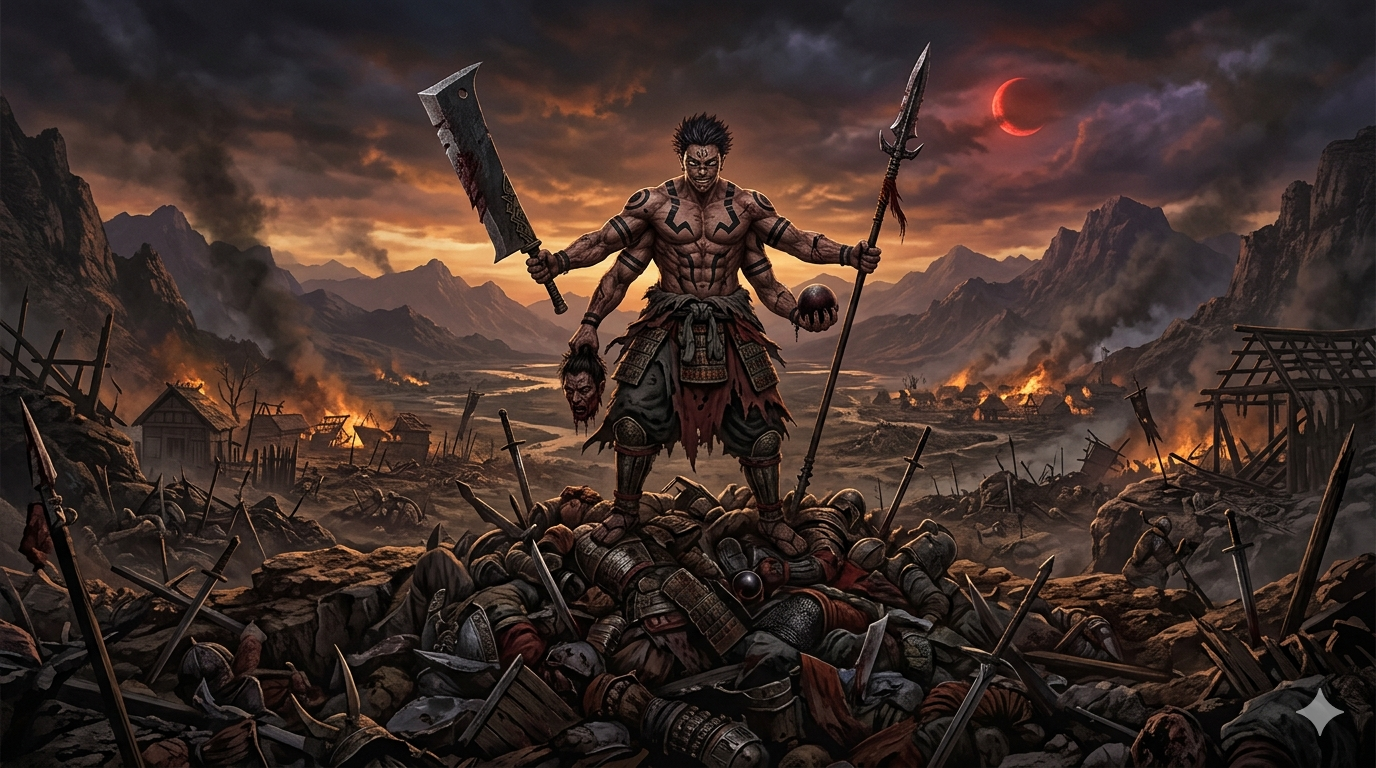
Ryomen Sukuna is one of the most fascinating figures in Japanese mythology. Known as the “Two-Faced Sukuna,” this mysterious character has inspired countless stories, legends, and modern adaptations. While many people recognize the name from popular anime and manga, the original mythological figure has a rich history dating back centuries. Ryomen Sukuna remains an important part of Japanese folklore, representing both fear and intrigue.
Who Was Ryomen Sukuna?
The name “Ryomen Sukuna” literally translates to “Two-Faced Sukuna.” According to ancient Japanese records, particularly the Nihon Shoki (Chronicles of Japan), Ryomen Sukuna was described as a unique being with two faces and four arms. He stood out from regular people because of his bizarre look, which helped him achieve legendary renown.
The historical accounts portray Sukuna as a powerful warrior who lived in the Hida region of ancient Japan. His extraordinary strength and unusual physical features led many people to view him as a supernatural creature rather than a normal human being.
Ryomen Sukuna in Ancient Japanese Mythology
Ancient texts describe Ryomen Sukuna as a rebel who opposed the authority of the imperial court. According to the legend, he terrorized local communities and challenged the rule of the Japanese emperor. Because of his actions, he was labeled as a dangerous outlaw and enemy of the state.
However, not all interpretations portray him as evil. Some regional legends suggest that Ryomen Sukuna was actually a local hero who protected villagers and helped develop communities. This contrast has led historians to believe that the official records may have reflected the perspective of the ruling government rather than the complete truth.
Physical Appearance and Symbolism
One of the most striking aspects of Ryomen Sukuna mythology is his appearance. Ancient descriptions mention that he possessed:
- Two faces on a single head
- Four arms
- Exceptional strength
- Remarkable combat abilities
The dual-faced appearance is often interpreted as a symbol of duality. It may represent opposing forces such as good and evil, order and chaos, or wisdom and destruction. This symbolism has made Ryomen Sukuna a compelling figure in both traditional folklore and modern storytelling.
Historical Significance
Many scholars believe that the story of Ryomen Sukuna may have been inspired by a real historical figure. Some theories suggest that he was a tribal leader who resisted imperial expansion during ancient Japan. Over time, historical events may have blended with folklore, transforming him into a mythical character with supernatural traits.
Archaeological discoveries and local traditions in the Hida region continue to fuel discussions about whether Ryomen Sukuna was a genuine historical person or a purely legendary figure.
Ryomen Sukuna in Modern Popular Culture
In recent years, Ryomen Sukuna has gained worldwide recognition through modern entertainment. Anime, manga, video games, and novels have reimagined the ancient legend for contemporary audiences. These adaptations often emphasize his immense power, fearsome reputation, and supernatural abilities.
While modern portrayals may differ from the original mythology, they have introduced millions of people to one of Japan’s most intriguing legendary figures. This renewed interest has encouraged many fans to explore the historical and cultural origins of the character.
Ryomen Sukuna Mythology continues to captivate people with its blend of history, legend, and mystery. Whether viewed as a feared demon, a rebellious warrior, or a misunderstood hero, Sukuna remains an enduring symbol in Japanese folklore. His unique appearance, complex legacy, and cultural significance ensure that the story of Ryomen Sukuna will continue to inspire curiosity for generations to come.
Confucius the Chinese Philosopher
Spirituality and Self-Consciousness
Read Also: Astrology And Tantra Website Design