Electronics is one of the most important branches of science and technology that has transformed modern life. From smartphones and televisions to medical equipment and computers, it plays a major role in our daily activities. It involves the study and control of electric current using devices such as transistors, resistors, capacitors, and integrated circuits. In today’s digital world, it has become essential for communication, entertainment, healthcare, transportation, and industrial automation.
This article explains What is Electronics? its types, components, uses, and importance in modern society.
What Is Electronics?
Electronics is the branch of science and engineering that deals with the flow of electrons through different materials and devices. It focuses on designing, developing, and operating electronic circuits and systems.
Unlike electrical engineering, which mainly deals with the generation and distribution of electrical power, it is concerned with controlling electrical signals for processing information and performing specific tasks.
Electronic devices use small amounts of electricity to perform functions such as amplification, communication, computation, and automation.
History of Electronics
The development of electronics began in the late 19th century with the discovery of the electron. The invention of the vacuum tube in the early 1900s marked the beginning of modern electronics. Later, the invention of the transistor in 1947 revolutionized this industry because it made devices smaller, faster, and more reliable.
Over time, integrated circuits and microprocessors led to the development of computers, smartphones, and advanced digital systems. Today, it continues to evolve with technologies like artificial intelligence, robotics, and the Internet of Things (IoT).
Main Components of Electronics
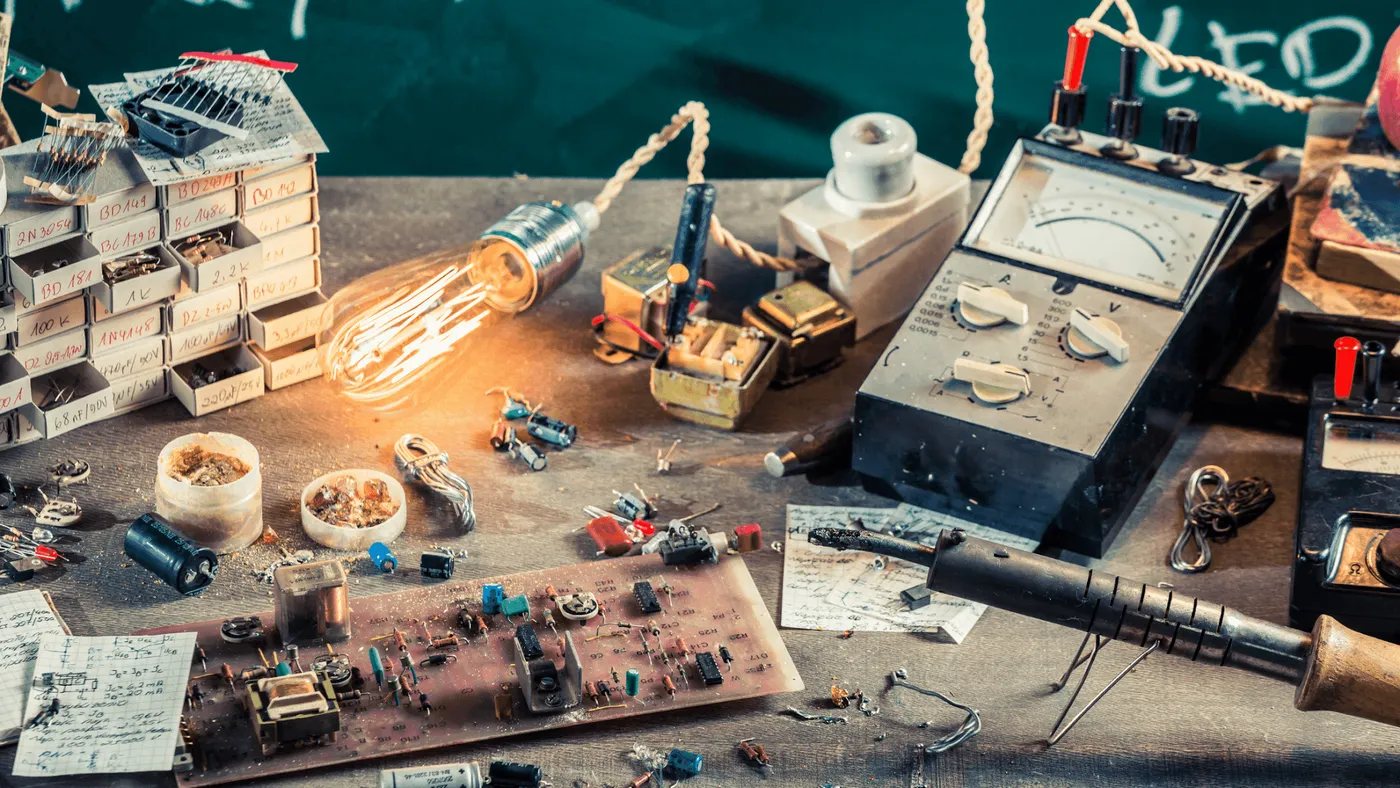
Electronics relies on several important components that work together in circuits. Some of the major electronic components include:
1. Resistor
A resistor controls the flow of electric current in a circuit. It helps protect electronic devices from excessive current.
2. Capacitor
A capacitor stores electrical energy temporarily and releases it when needed. It is commonly used in power supplies and filters.
3. Transistor
In electrical circuits, a transistor functions as an amplifier or switch. It is one of the most important inventions in electronics.
4. Diode
Current can only travel in one way via a diode. It is widely used in rectifiers and signal processing.
5. Integrated Circuit (IC)
An integrated circuit contains many electronic components on a small chip. ICs are used in computers, smartphones, and digital devices.
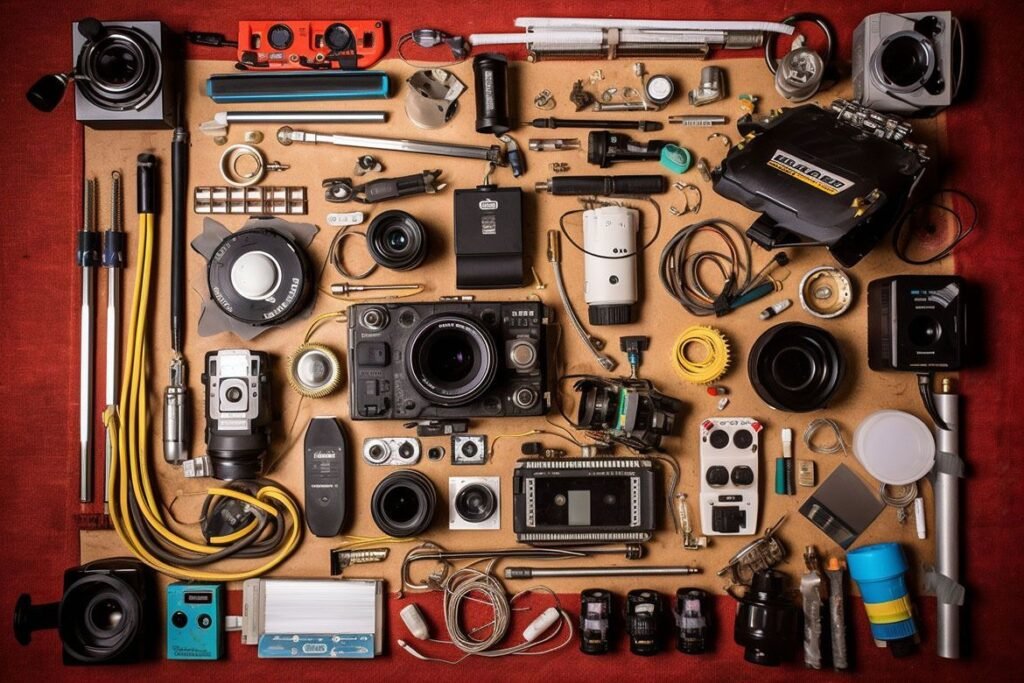
Types of Electronics
Analog
Analog electronics deals with continuous signals. Devices like radios and audio amplifiers use analog circuits.
Digital
Digital electronics works with binary signals, represented as 0s and 1s. Computers, calculators, and smartphones are examples of digital electronics.
Consumer
These are electronic devices used for personal entertainment and communication, such as televisions, gaming consoles, and mobile phones.
Industrial
Industrial electronics is used in factories and manufacturing systems for automation and machine control.
Applications of Electronics
Electronics has countless applications in different fields:
- Communication: Mobile phones, satellite systems, and internet technology.
- Healthcare: Medical imaging devices, ECG machines, and monitoring systems.
- Education: Computers, projectors, and online learning tools.
- Transportation: GPS systems, traffic control, and electric vehicles.
- Entertainment: Smart TVs, music systems, and gaming devices.
The rapid growth of electronics has improved efficiency, productivity, and convenience in modern life.
Importance of Electronics
So,What is Electronics? ,Electronics is important because it supports innovation and technological advancement. It has made communication faster, businesses more efficient, and healthcare more accurate. Modern industries depend heavily on electronic systems for automation and production.
In addition, electronics creates millions of jobs worldwide in manufacturing, software development, research, and engineering. As technology continues to grow, the demand for electronic devices and skilled professionals will also increase.
Electronics is a vital part of modern science and technology. It involves the study and application of electronic devices and circuits that control electrical signals. From simple household gadgets to advanced industrial systems, electronics has changed the way people live and work.
Effects of AI in Upcoming Technology
Manhole – Essential Access Points in Urban Infrastructure
RCPC Manhole Covers and Frames
Read Also : Social Network Website Design