
Universal Health Care (UHC) refers to a system where all individuals and communities receive the health services they need without suffering financial hardship. It ensures access to essential services such as prevention, treatment, rehabilitation, and palliative care. The core idea is simple: healthcare should be a basic human right, not a privilege.
Importance of Universal Health Care
Universal health care plays a crucial role in improving the overall quality of life. When people have access to affordable medical services, they are more likely to seek timely treatment. This reduces the spread of diseases and lowers mortality rates. UHC also promotes economic stability by preventing families from falling into poverty due to high medical expenses.
Key Features of Universal Health Care
A well-functioning it system includes several important features:
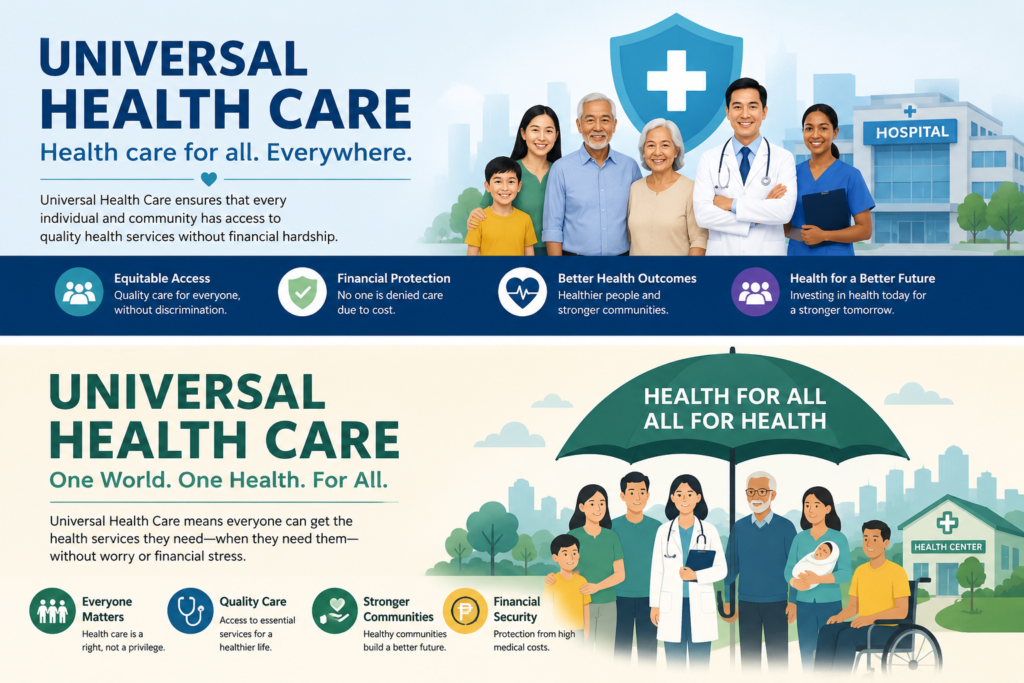
- Accessibility: Everyone can access health services regardless of income, location, or social status.
- Affordability: Costs are covered through government funding, insurance, or a combination of both.
- Quality Care: Services meet high medical standards and ensure patient safety.
- Equity: Equal treatment is provided to all individuals without discrimination.
Benefits of Universal Health Care
It offers multiple benefits that impact individuals and society as a whole:
- Improved Public Health: Early diagnosis and treatment reduce disease outbreaks.
- Financial Protection: Citizens are protected from high out-of-pocket expenses.
- Increased Productivity: Healthy individuals contribute more effectively to the economy.
- Social Equality: It reduces health disparities among different population groups.
Challenges in Implementing Universal Health Care
Despite its advantages, implementing it is not without challenges:
- High Costs: Governments need substantial funding to maintain healthcare infrastructure.
- Resource Shortage: Limited medical professionals and facilities can affect service quality.
- Administrative Complexity: Managing a large-scale healthcare system requires efficient governance.
- Political and Economic Barriers: Policy disagreements can slow down implementation.
Universal Health Care Around the World
Many countries have adopted universal health care in different forms. Some nations provide fully government-funded healthcare, while others rely on a mix of public and private systems. Countries like the United Kingdom, Canada, and Australia have well-established UHC systems that serve as models for others. These systems demonstrate that universal access to healthcare is achievable with proper planning and commitment.
Role of Technology in Universal Health Care
Technology is transforming it by making services more efficient and accessible. Telemedicine allows patients to consult doctors remotely, especially in rural areas. Electronic health records improve data management and patient care. Artificial intelligence helps in early diagnosis and personalized treatment plans, enhancing overall healthcare delivery.
Universal Health Care in Developing Countries
In developing nations, achieving universal health care is more challenging due to limited resources. However, governments are making progress through initiatives such as subsidized healthcare programs and insurance schemes. Healthcare access is also being increased in underserved communities through public-private collaborations.
Future of Universal Health Care
The future of it looks promising as more countries recognize its importance. Increased investment, policy reforms, and technological advancements are expected to strengthen healthcare systems globally. Sustainable healthcare models will focus on preventive care and community-based services to reduce long-term costs.
Universal health care is essential for building a healthier and more equitable society. It ensures that everyone has access to necessary medical services without financial burden. While challenges exist, the long-term benefits far outweigh the difficulties. By prioritizing it, countries can improve public health, reduce inequality, and promote sustainable development.
Liver Cancer Symptoms Cause and Remedy
Read Also: Medical Website Design