Acne scars can be frustrating reminders of past breakouts, often affecting confidence and skin appearance. While completely erasing scars may not always be possible, there are many proven ways to reduce their visibility and achieve smoother, healthier skin. This guide covers effective treatments, natural remedies, and skincare tips to help you get rid of acne scars.
Understanding Different Types of Acne Scars
Before choosing a treatment, it’s important to identify the type of acne scars you have. The most common types include:
- Atrophic scars: Depressed scars such as ice pick, boxcar, and rolling scars
- Excess collagen produces hypertrophic scars, which are elevated scars.
- Post-inflammatory hyperpigmentation (PIH): Dark spots left after acne heals
Each type requires a different approach, so understanding your skin condition is the first step toward effective treatment.
Top Medical Treatments for Acne Scars
Modern dermatology offers several advanced solutions for reducing acne scars:
1. Laser Therapy
Laser treatments promote collagen synthesis and aid in skin resurfacing. They are particularly effective for deep scars and uneven texture.
2. Chemical Peels
Chemical peels use acids to exfoliate the top layer of skin, revealing smoother skin underneath. They are ideal for mild scars and pigmentation.
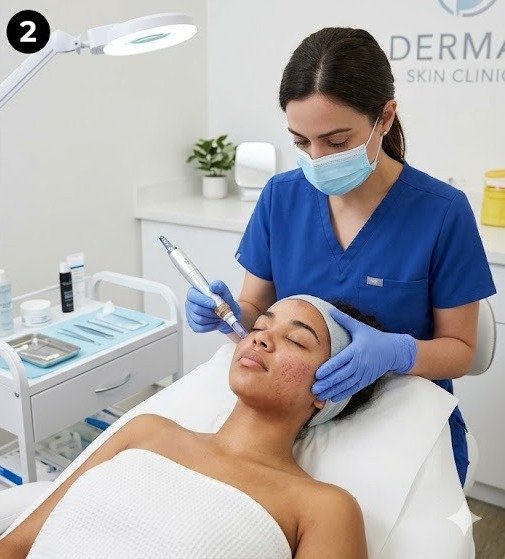
3. Microneedling
This treatment involves tiny needles that create micro-injuries, boosting collagen and improving skin texture over time.
4. Dermal Fillers
Fillers can temporarily raise depressed scars, making them less noticeable.
5. Subcision
A minor surgical procedure that releases scar tissue beneath the skin, improving deep scars.
Consult a dermatologist to determine the best treatment based on your skin type and scar severity.
Natural Remedies to Reduce Acne Scars
If you prefer home-based solutions, several natural remedies can help fade acne scars gradually:
1. Aloe Vera
Aloe vera promotes healing and reduces inflammation. Apply fresh gel daily for best results.
2. Lemon Juice
Lemon juice, which is high in vitamin C, helps lighten dark spots. However, use it cautiously as it can irritate sensitive skin.
3. Honey
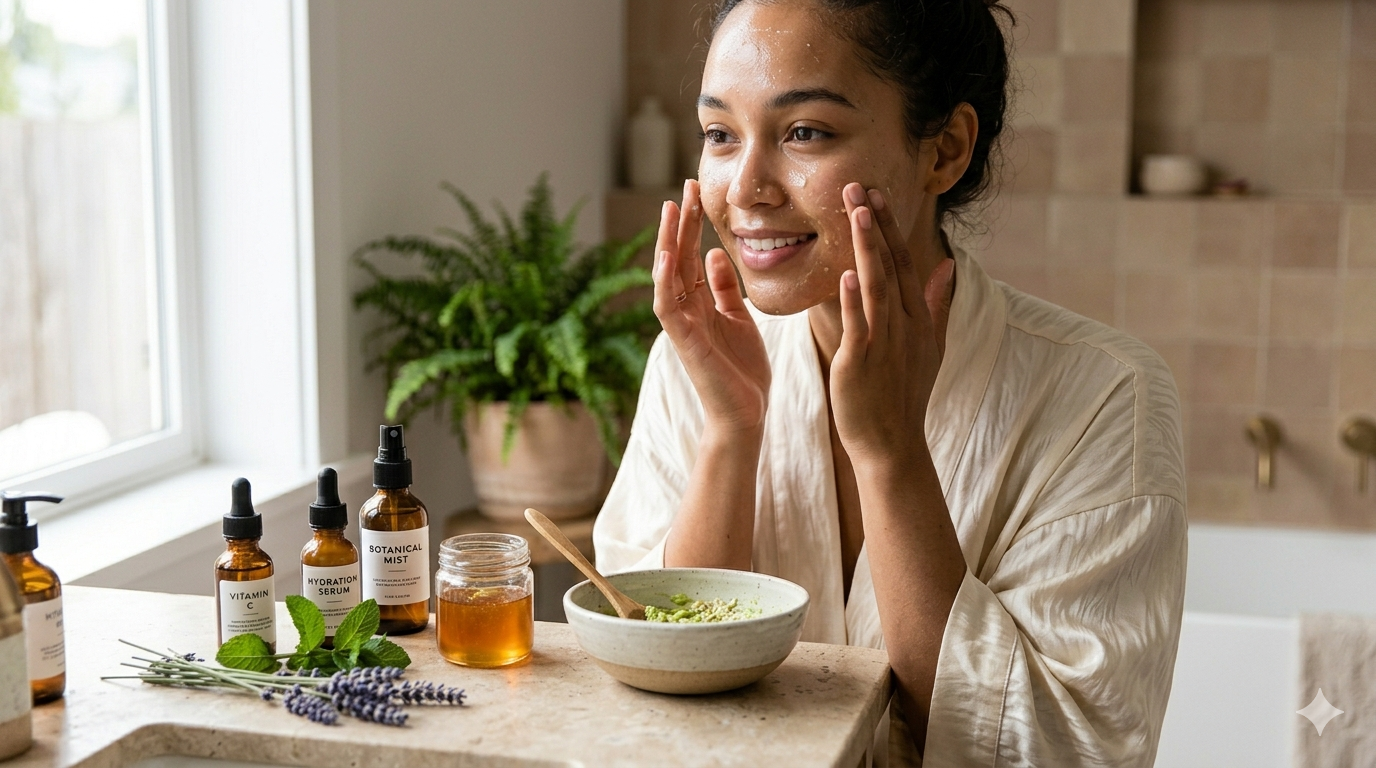
Honey has antibacterial properties and helps in skin regeneration. Apply it as a mask for hydration and healing.
4. Coconut Oil
Packed with fatty acids and vitamins, coconut oil nourishes the skin and improves texture over time.
5. Turmeric
Turmeric has anti-inflammatory properties and helps reduce pigmentation when used regularly.
Skincare Routine for Acne Scar Reduction
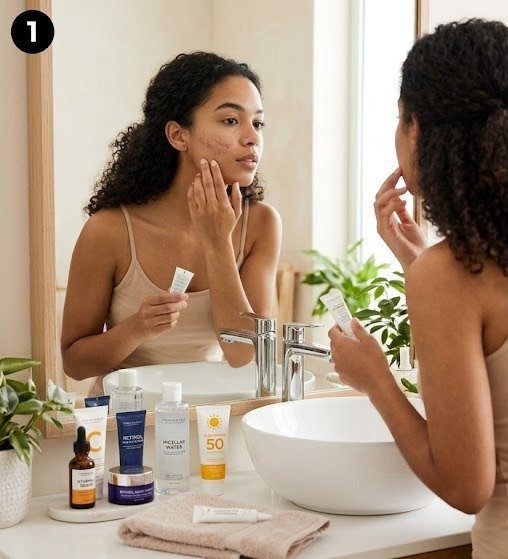
A consistent skincare routine is essential for improving acne scars:
- Cleanse daily: Use a gentle cleanser to remove dirt and oil
- Exfoliate regularly: Helps remove dead skin cells and promotes cell turnover
- Moisturize: Keeps skin hydrated and supports healing
- Use sunscreen: Protects scars from darkening due to UV exposure
Look for ingredients like retinoids, niacinamide, and vitamin C in your skincare products for better results.
Lifestyle Tips for Clearer Skin
Healthy habits can significantly impact your skin’s healing process:
- Stay hydrated by drinking plenty of water
- Keep a well balanced diet with plenty of fruits and vegetables.
- Avoid picking or squeezing pimples
- Get enough sleep to support skin repair
These simple lifestyle changes can enhance the effectiveness of your treatments.
When to See a Dermatologist
If your acne scars are severe or not improving with home remedies, it’s best to consult a dermatologist. Professional treatments can deliver faster and more noticeable results.
Getting rid of acne scars requires patience, consistency, and the right approach. Whether you choose medical treatments or natural remedies, maintaining a proper skincare routine is key. By understanding your skin and using targeted solutions, you can significantly reduce acne scars and achieve a smoother, more radiant complexion.
Liver Cancer Symptoms Cause and Remedy
Read Also: Medical Website Design