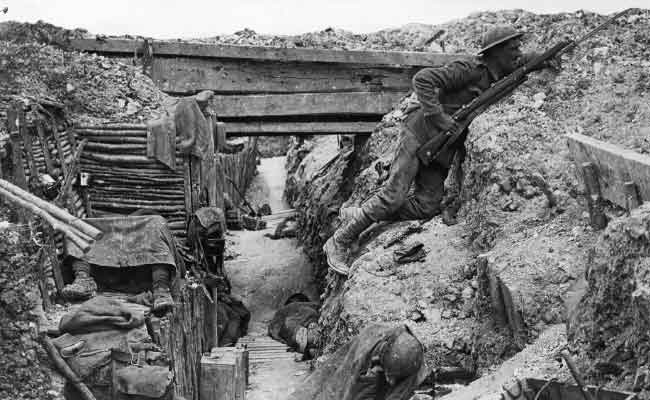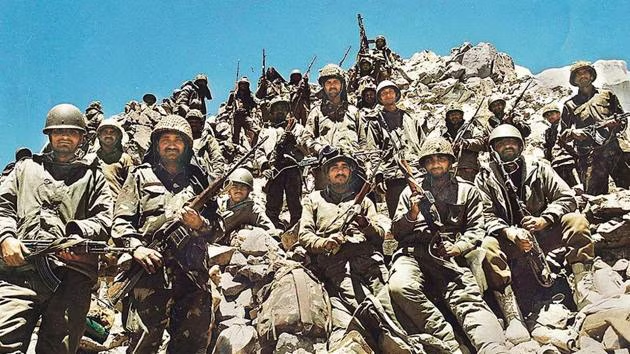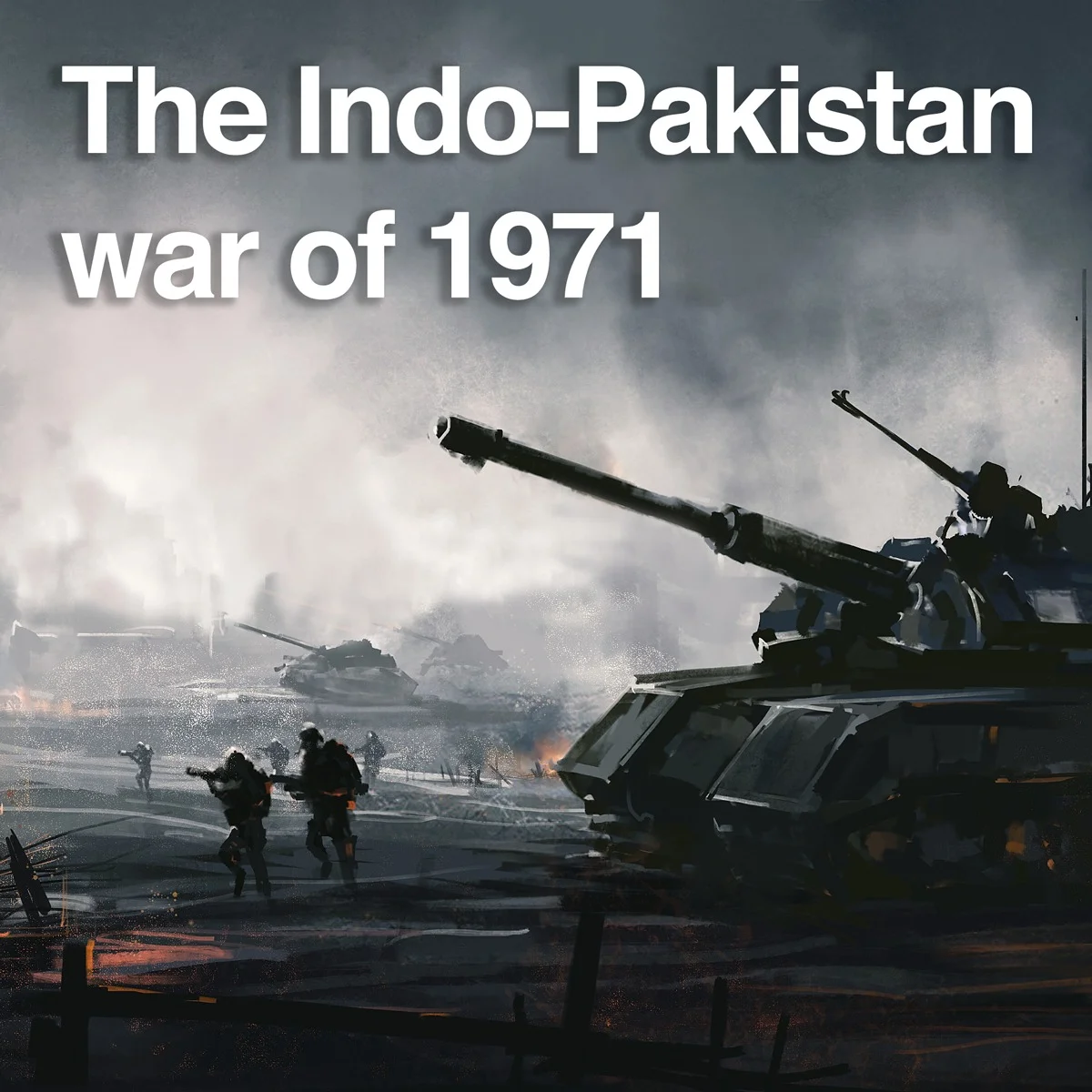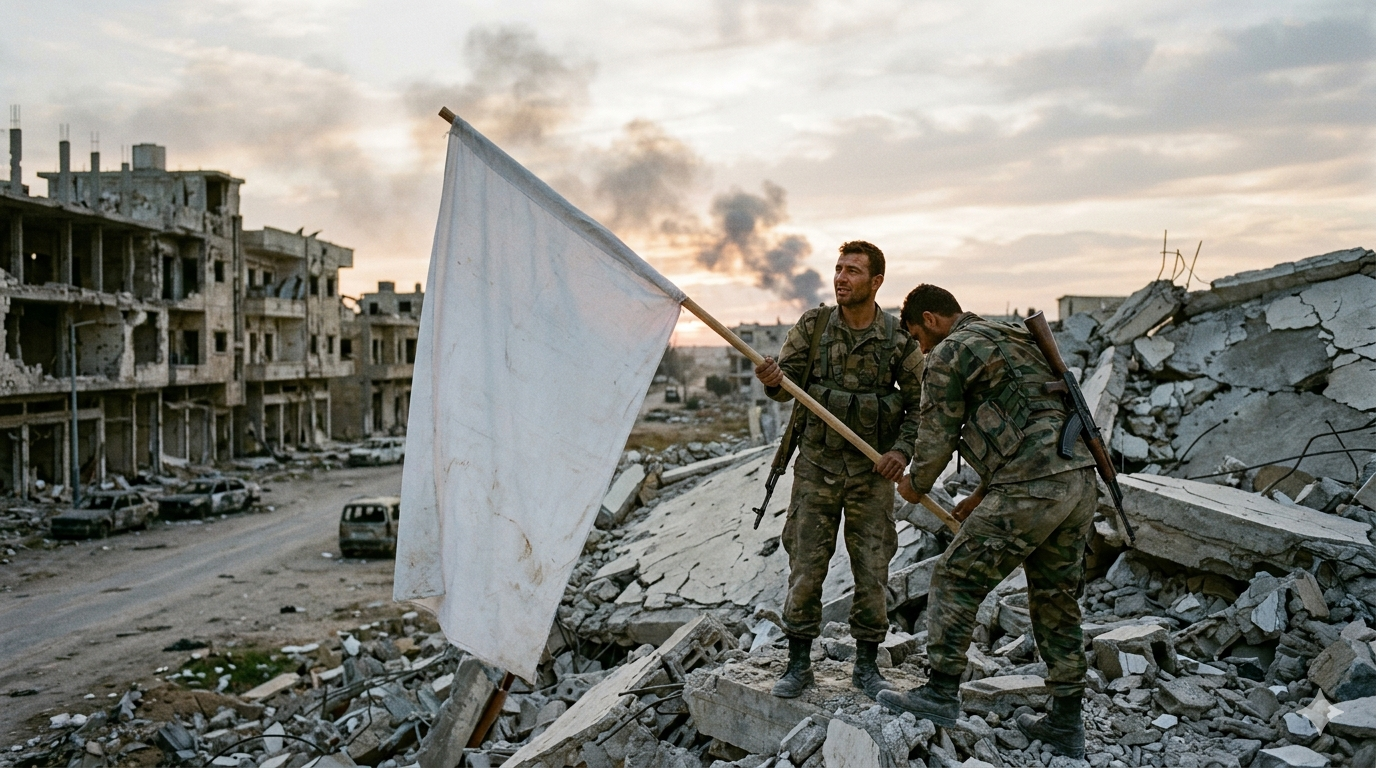
A ceasefire is a temporary or permanent agreement between conflicting parties to stop fighting. It is commonly used during wars, armed conflicts, or disputes to create an opportunity for peace talks, humanitarian aid, or de-escalation. Ceasefires can be formal agreements signed by both sides or informal understandings reached through negotiation.
In simple terms, What is ceasefire, a ceasefire means “stop shooting” or “stop fighting,” allowing both sides to pause hostilities and consider peaceful solutions.
Definition of Ceasefire
A ceasefire is a mutually agreed suspension of active conflict between opposing forces. It does not necessarily mean the conflict has ended; rather, it provides a break in violence. Ceasefires are often facilitated by international organizations, governments, or mediators aiming to restore peace.
Types of Ceasefire
Ceasefires can vary depending on their purpose and duration. Below are the main types:
1. Temporary Ceasefire
A temporary ceasefire is declared for a short period. It may be used to allow humanitarian aid, evacuate civilians, or observe religious or national events.
2. Permanent Ceasefire
This type aims to completely end hostilities. It is usually part of a broader peace agreement and may lead to the end of a war.
3. Unilateral Ceasefire
In this case, only one side declares a ceasefire without agreement from the other. It is often used as a goodwill gesture.
4. Bilateral Ceasefire
Both parties agree to stop fighting. This is more effective as it involves mutual consent and cooperation.
Importance of Ceasefire
Ceasefires play a critical role in conflict resolution and peacebuilding. Here’s why they are important:
1. Saves Lives
By stopping violence, ceasefires reduce casualties among soldiers and civilians.
2. Humanitarian Relief
They allow aid organizations to deliver food, medicine, and other essential supplies to affected areas.
3. Creates Space for Dialogue
Ceasefires open the door for negotiations and peace talks between conflicting parties.
4. Reduces Tension
They help de-escalate conflicts and prevent further destruction.

How Ceasefires Are Implemented
Implementing a ceasefire involves several steps:
- Negotiation: Both parties discuss terms and conditions.
- Agreement: A formal or informal deal is reached.
- Monitoring: International observers or organizations ensure compliance.
- Enforcement: Measures are taken if either side violates the agreement.
Organizations like the United Nations often play a role in monitoring and maintaining ceasefires.
Challenges in Ceasefire Agreements
Despite their benefits, ceasefires are not always successful. Some common challenges include:
- Violation of Terms: One or both sides may break the agreement.
- Lack of Trust: Conflicting parties may doubt each other’s intentions.
- Political Pressure: Internal or external forces can influence decisions.
- Incomplete Agreements: Missing details can lead to misunderstandings.
These challenges can sometimes lead to renewed conflict if not properly managed.
Real-World Examples of Ceasefire
Ceasefires have been used in many conflicts around the world. They often serve as the first step toward peace agreements. For example, ceasefires have been declared in conflicts in the Middle East, South Asia, and Africa to reduce violence and encourage negotiations.
Ceasefire vs Peace Treaty
It is important to understand the difference between a ceasefire and a peace treaty:
- Ceasefire: Temporary halt in fighting.
- Peace Treaty: Permanent agreement that officially ends a conflict.
A ceasefire can eventually lead to a peace treaty if negotiations are successful.
What is ceasefire, A ceasefire is a vital tool in managing and resolving conflicts. While it does not always guarantee peace, it provides a necessary pause in violence, allowing time for dialogue, humanitarian aid, and rebuilding trust. Understanding the concept of ceasefire helps highlight the importance of peaceful solutions in a world often affected by conflict.
Read Also : Social Network Website Design