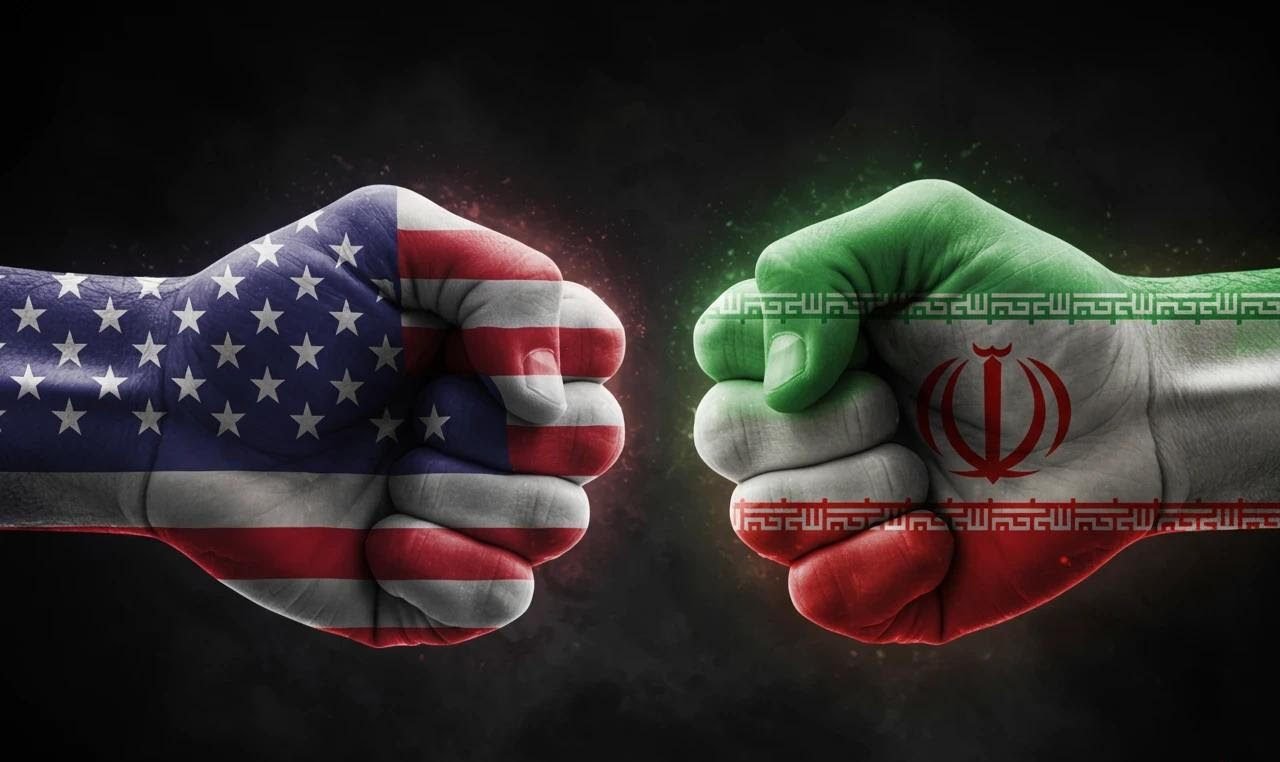
The relationship between Iran and the United States has been one of the most complex and tense in modern global politics. Once allies, the two nations have become long-term adversaries due to political, ideological, and strategic differences. Understanding the History of Iran Why it Always Conflict With America requires looking back at key events that shaped this rivalry.
Early Relations-From Friendship to Suspicion
Before 1979, Iran and the United States maintained strong diplomatic ties. Iran, under Shah Mohammad Reza Pahlavi, was a close ally of America during the Cold War. However, tensions began in 1953 when a CIA-backed coup overthrew Iran’s democratically elected Prime Minister Mohammad Mossadegh after he nationalized the country’s oil industry.
This event created deep resentment among Iranians, who viewed it as foreign interference in their sovereignty. Although relations remained officially friendly, distrust toward the United States started growing beneath the surface.
The 1979 Islamic Revolution-Turning Point
The most significant turning point in Iran–US relations came with the Islamic Revolution in 1979. The revolution replaced the Western-backed monarchy with an Islamic Republic led by Ayatollah Khomeini.
Soon after, Iranian students seized the US Embassy in Tehran, taking 52 Americans hostage for 444 days. This crisis led to the complete breakdown of diplomatic relations and established long-term hostility between the two nations.
From this point onward, Iran viewed America as an imperial power, while the US saw Iran as a destabilizing force in the Middle East.
Cold War Politics and Regional Conflicts
During the 1980s, tensions intensified during the Iran-Iraq War (1980–1988). The United States supported Iraq indirectly, further worsening relations with Iran.
Over time, both countries engaged in indirect confrontations rather than direct war. Iran supported militant groups in the Middle East, while the US imposed sanctions and conducted military operations against Iranian interests.
This period established a pattern of proxy conflicts and strategic rivalry that continues today.
Nuclear Program and Sanctions
One of the biggest reasons for ongoing conflict is Iran’s nuclear program. The United States and its allies suspect that Iran aims to develop nuclear weapons, while Iran insists its program is for peaceful energy purposes.
Efforts to control Iran’s nuclear activities led to the 2015 nuclear deal (JCPOA), but the agreement later collapsed, bringing back heavy economic sanctions and increasing tensions.
Sanctions have significantly impacted Iran’s economy, while Iran has continued its nuclear advancements, keeping the conflict active.
Ideological Differences and Power Struggle
The conflict is not only political but also ideological. Iran operates under an Islamic political system that opposes Western influence, while the United States promotes democracy and liberal values.
Additionally, both countries compete for influence in the Middle East. Iran supports groups in countries like Lebanon, Syria, and Yemen, while the US backs its own allies, including Israel and Gulf nations.
This struggle for regional dominance keeps tensions high and often leads to indirect confrontations.
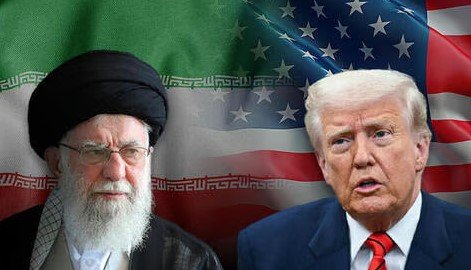
Modern Tensions and Global Impact
In recent years, tensions have escalated due to military actions, cyber warfare, and economic sanctions. Conflicts involving Iran often impact global oil markets, especially because of the strategic importance of the Strait of Hormuz.
Even today, negotiations between the two nations remain fragile, with mistrust continuing to block long-term peace solutions.
The conflict between Iran and the United States is rooted in decades of historical events, political decisions, and ideological differences. From the 1953 coup to the 1979 revolution and ongoing nuclear disputes, each event has deepened mistrust between the two nations.
Rather than a single cause, this rivalry is the result of accumulated tensions over power, influence, and identity. Understanding this history helps explain why the Iran–US conflict continues to shape global politics today.
Read Also : Social Network Website Design