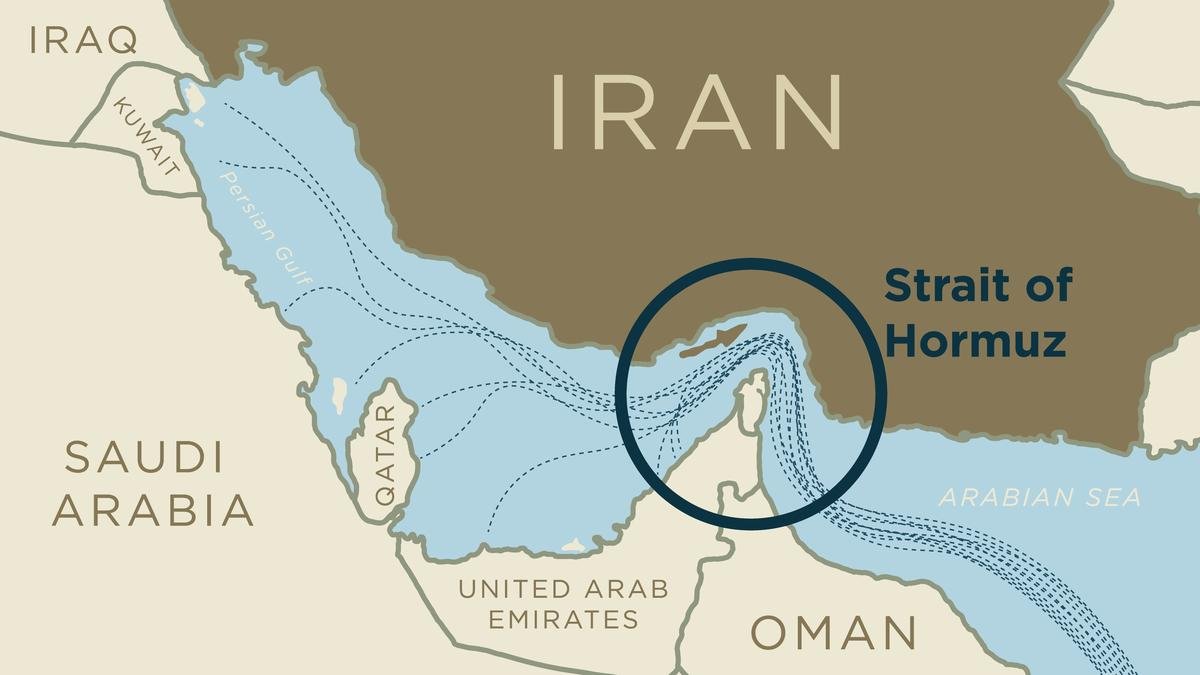
The Strait of Hormuz is one of the most important maritime chokepoints in the world. Located between the Persian Gulf and the Gulf of Oman, it serves as a critical route for global oil transportation. Over 20% of the world’s oil passes through this narrow passage, making it a center of geopolitical power and conflict. Throughout history, control of the Strait of Hormuz has shifted among empires, but in modern times, Iran has emerged as a dominant force influencing this vital waterway.
Early History and Foreign Control
The strategic importance of the Strait of Hormuz dates back centuries. In 1507, the Portuguese Empire captured the island of Hormuz and established control over trade routes in the region. They built forts and imposed taxes on ships passing through the strait, effectively dominating maritime commerce for nearly a century. However, in 1622, a joint effort by Persian forces and the British East India Company expelled the Portuguese, marking the beginning of regional influence over the strait.
During the following centuries, the region remained significant for trade, but its global importance increased dramatically after the discovery of oil in the early 20th century. The British played a major role in controlling oil exports, especially through their influence in Iran and nearby Gulf states.
Rise of Iranian Influence
Iran’s modern control over the Strait of Hormuz began to strengthen after the 1979 Iranian Revolution. This event transformed Iran into an Islamic Republic and significantly altered its foreign policy. Since then, Iran has consistently asserted its authority over the strait and has often used it as a strategic tool in international politics.
Geographically, Iran controls the northern side of the strait, including key islands such as Hormuz and Qeshm. Although the shipping lanes are governed by international maritime law and partially lie in Omani waters, Iran’s proximity and military presence allow it to exert substantial influence over navigation.
The Tanker War and Military Tensions

One of the most significant historical events involving the Strait of Hormuz was the “Tanker War” during the 1980s Iran-Iraq War. Both Iran and Iraq attacked oil tankers in the Persian Gulf, disrupting global oil supplies. This led to intervention by international forces, particularly the United States, to ensure safe passage through the strait.
Since then, the strait has remained a hotspot for military tensions. Iran has repeatedly threatened to close the waterway in response to economic sanctions or military pressure from Western countries. These threats highlight the strategic leverage Iran holds over global energy markets.
Modern Control and Strategic Power
In recent years, Iran has demonstrated its ability to control access to the Strait of Hormuz, especially during times of conflict. Its naval forces, including the Islamic Revolutionary Guard Corps (IRGC), have developed asymmetric warfare tactics such as deploying fast boats, mines, and drones to monitor and restrict maritime traffic.
In 2026, escalating tensions in the Middle East led to Iran imposing strict control over the strait, significantly reducing the number of ships allowed to pass. This situation disrupted global oil supplies and caused a surge in energy prices, emphasizing the strait’s critical role in the world economy.
The history of the Strait of Hormuz reflects its enduring importance as a global trade and energy corridor. From Portuguese colonial rule to modern geopolitical conflicts, control of this narrow waterway has always been linked to power and influence. Today, Iran’s strategic position and military capabilities give it significant control over the strait, making it a key player in global energy security.
Hormuz Controlled by Iran as tensions continue to evolve, the Strait of Hormuz remains a symbol of both opportunity and vulnerability in the international arena. Understanding its history helps explain why it continues to be one of the most closely watched regions in the world.
Read Also: Tours And Travels Website Design