
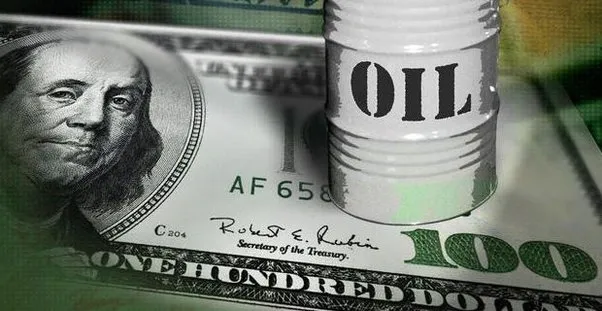
The term petrodollar is often used in discussions about global economics, oil trade, and the dominance of the US dollar. Understanding the petrodollar system is essential for anyone interested in international finance, geopolitics, or energy markets. In this article, we will explain what is Petrodollar , how the system works, and why it plays a crucial role in the global economy.
What is Petrodollar?
A petrodollar refers to US dollars earned by countries through the sale of crude oil and petroleum products. Since the 1970s, most international oil transactions have been priced and settled in US dollars. This means that when countries buy oil, they typically pay in dollars, regardless of their own currency.
For example, if India imports oil from Saudi Arabia, the transaction is usually completed in US dollars. These dollars earned by oil-exporting countries are called petrodollars.
Origin of the Petrodollar System
The petrodollar system began in the early 1970s after the collapse of the Bretton Woods system. During this time, the United States made agreements with major oil-producing nations, especially in the Middle East, to price oil exclusively in US dollars.
In return, the US provided military protection and economic support to these countries. This arrangement ensured a constant global demand for the US dollar and helped stabilize the international monetary system.
How the Petrodollar System Works
1. Oil Sales in US Dollars
Oil-exporting countries sell crude oil in global markets, and the prices are set in US dollars. Importing nations must first convert their local currency into dollars to purchase oil.
2. Accumulation of Petrodollars
After selling oil, exporting countries accumulate large reserves of US dollars. These reserves are known as petrodollars.
3. Recycling of Petrodollars
Instead of holding idle cash, oil-exporting nations invest these petrodollars in various assets such as:
- US Treasury bonds
- Real estate
- Stocks and financial markets
- Infrastructure projects
This process is known as petrodollar recycling, which helps circulate money back into the global economy.
Importance of the Petrodollar System
Strengthening the US Dollar
Because oil is traded globally in dollars, there is a continuous demand for the currency. This strengthens the US dollar and reinforces its position as the world’s primary reserve currency.
Global Trade Stability
The petrodollar system simplifies international trade by using a single widely accepted currency. This reduces exchange rate risks and promotes smoother transactions.
Economic Influence
The system gives the United States significant economic and political influence worldwide, as many countries depend on access to US dollars for energy imports.
Advantages of the Petrodollars System
- Ensures global liquidity in financial markets
- Supports economic growth through investments
- Provides stability in oil pricing and trade
- Strengthens international financial systems
Challenges and Criticism
Dependence on the US Dollar
Many countries criticize the system because it creates dependence on the US dollar, limiting monetary independence.
Geopolitical Tensions
The petrodollars system is closely tied to global politics, especially in oil-rich regions. Changes in alliances or conflicts can disrupt the system.
Emerging Alternatives
Some countries are exploring alternative currencies for oil trade, such as the euro or Chinese yuan, which could challenge the dominance of the petrodollar in the future.
The petrodollar system is a cornerstone of the modern global economy. It connects oil trade with the US dollar, ensuring liquidity, stability, and economic integration across countries. While it offers several benefits, it also faces growing challenges from geopolitical shifts and emerging financial systems.
Top 10 Passive Income Ideas in 2025
Read Also: Auction Website Design And Development