In 2026, India’s electoral process witnessed one of the most significant clean‑up efforts in recent decades — the Special Intensive Revision (SIR) 2026 of electoral rolls. Unlike routine updates, this nationwide initiative aimed to create accurate, inclusive, and corruption‑resistant voter lists ahead of major elections. The exercise, led by the Election Commission of India (ECI), has stirred public conversation, shaped political narratives, and influenced democratic engagement across states like West Bengal, Uttar Pradesh, Rajasthan and many others.
What Is SIR 2026? A Comprehensive Voter Roll Revision
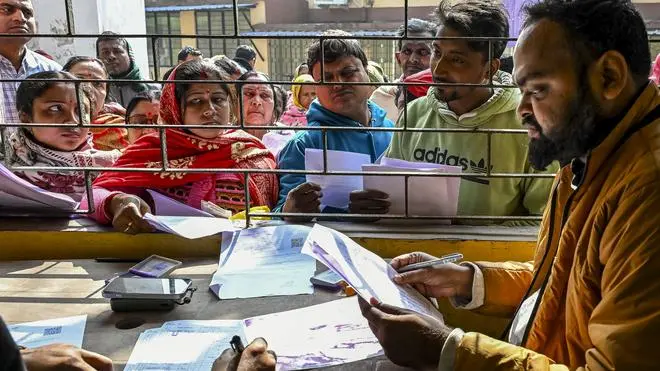
The Special Intensive Revision (SIR) is a thorough review and overhaul of the electoral register that goes beyond the usual annual updates. In 2026, it involved door‑to‑door verification, document checks, and digital data matching to remove deceased voters, duplicates, and ineligible entries — while adding eligible citizens who may have been missed previously. This process is anchored in Article 324 of the Indian Constitution, which empowers the Election Commission to maintain free and fair elections.
Up until the early months of 2026, SIR was rolled out in phases across multiple states, with draft voter lists published and claims and objections periods instituted for public participation. The final, updated rolls were scheduled to be published in February 2026 in many regions.
Why SIR 2026 Matters for Indian Democracy
Ensuring Electoral Accuracy
One of the primary goals of SIR 2026 was to improve the integrity and reliability of voter lists. Clean voter rolls contribute to a healthier democracy by reducing ghost voters, preventing multiple registrations under the same person, and updating entries for migrated or recently eligible voters.
Accurate lists also help election officials plan better, allocate resources correctly, and avoid procedural errors on polling day. For example, in states like Rajasthan, the use of digital platforms and improved verification tools resulted in a 100 % digitised list of voters, strengthening transparency and simplifying verification procedures.
Empowering Eligible Citizens
SIR enables first‑time voters — especially young adults turning 18 — to be included accurately in the electoral process. Without such revisions, many of these voters may remain excluded from the roll due to outdated data or migration. As urban centres grow and migration patterns shift, dynamic revisions ensure that all eligible citizens get an opportunity to exercise their franchise.
Reducing Potential Fraud
A cleaned and verified electoral roll discourages impersonation, fraudulent voting, and bogus entries. When old, duplicated, or incorrect details are removed, every vote cast stands a better chance of reflecting the true will of the people. This increases confidence in election outcomes and reduces the likelihood of post‑poll disputes.
Political Debate and Public Reaction
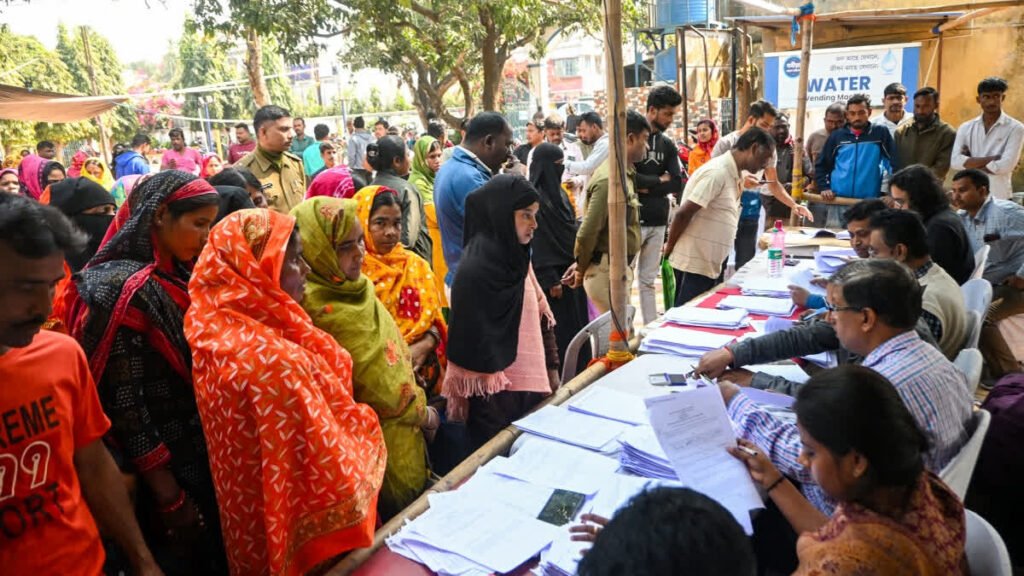
Despite good intentions, SIR 2026 has sparked debate across the political spectrum. In states like West Bengal, significant deletions from the draft electoral roll led to intense political scrutiny and accusations of voter exclusion. Reports indicate nearly 91 lakh names were removed from voter lists in West Bengal after the revision before the list was frozen.
While election authorities say such removals reflect data accuracy and migrations, opposition voices argue that the process may unfairly disenfranchise vulnerable communities if not carefully monitored. Some political leaders have even demanded impartial implementation of SIR to ensure no eligible voter is mistakenly excluded.
Impact Across States: Case Studies
Rajasthan’s Digital Success
In Rajasthan, the Eastern states and Union Territories involved in the revision by late 2025, strategic digitisation efforts helped achieve 100 % mapping of electoral rolls. This meant fewer voters would need additional documentation, improving convenience and reducing bureaucratic hurdles.
Bihar’s Smooth Elections
Chief Election Commissioner Gyanesh Kumar highlighted successful SIR implementation in Bihar, noting zero appeals and smooth subsequent Assembly elections. This was used to showcase the benefits of a well‑executed revision process.
Addressing Controversies in Uttar Pradesh
In contrast, Uttar Pradesh electoral officials clarified that only a small number of names were removed via third‑party petitions, aiming to dispel fears of widespread disenfranchisement during the SIR process.
The SIR 2026 exercise has been one of India’s most ambitious electoral updates in recent history. While it promises more accurate voter data, enhanced democratic participation, and better election planning, it also highlights challenges in implementation, political perceptions, and community trust.
When conducted transparently — with effective public outreach and clear grievance mechanisms — SIR can significantly strengthen India’s democratic institutions. Conversely, lack of clarity or uneven application could fuel mistrust among citizens. Hence, the success of SIR 2026 is tied not only to data clean‑up but also to communication, accountability, and inclusive governance.
Read Also: Social Network Website Design