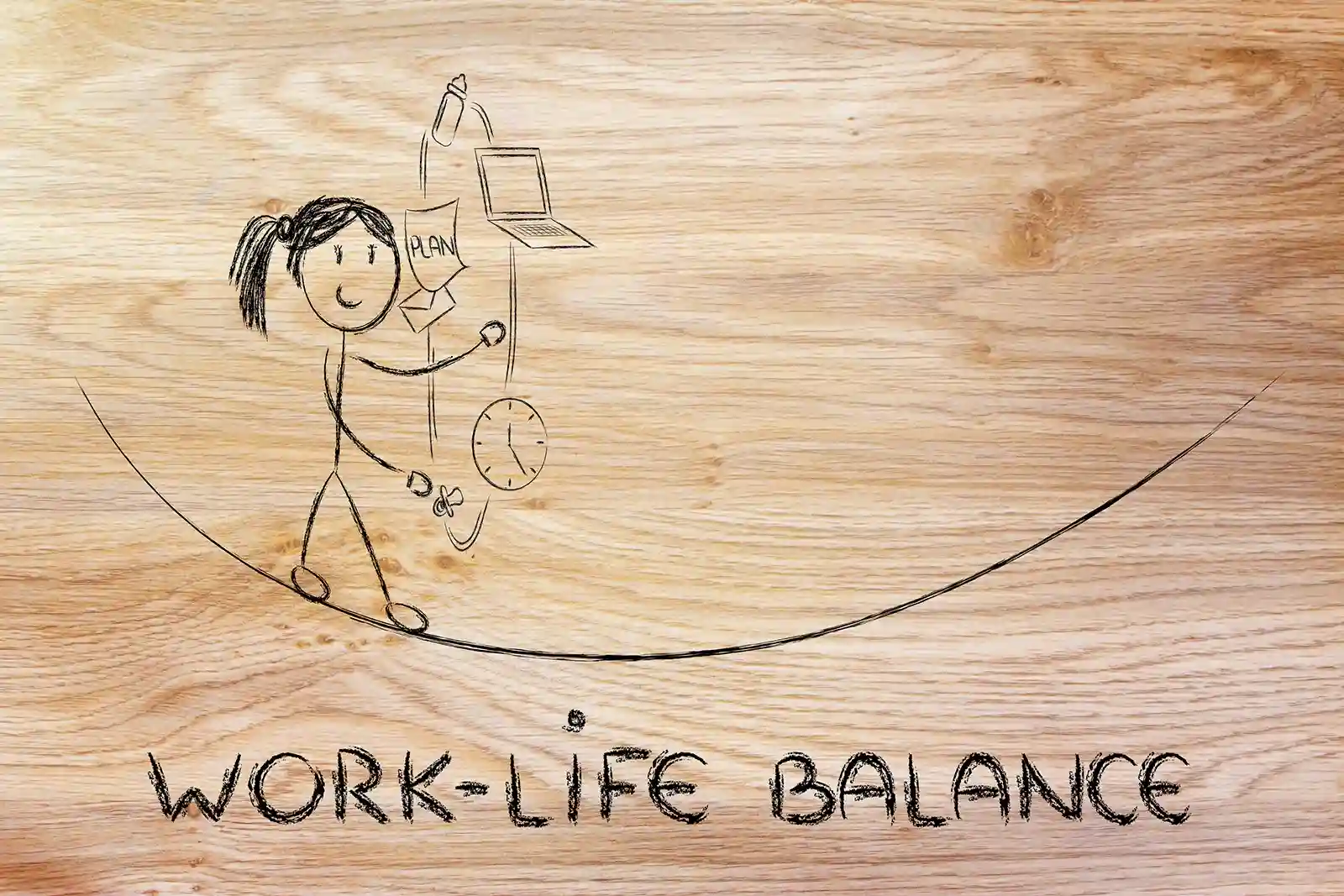

In today’s digital economy, freelancing and passive income have become two of the most popular ways to achieve financial independence. With rising living costs and uncertain job markets, people are increasingly looking beyond traditional 9-to-5 jobs. Freelancing offers immediate income through skills, while passive income provides long-term financial stability with minimal ongoing effort. When combined strategically, these two approaches can transform your earning potential.
What Is Freelancing?
Freelancing is a work model where individuals offer services to clients on a project or contract basis rather than working as full-time employees. Common freelancing fields include web development, graphic design, content writing, digital marketing, video editing, and consulting.
One of the biggest advantages of freelancing is flexibility. Freelancers can choose their clients, set their own rates, and work from anywhere. This independence allows professionals to scale their income faster compared to traditional jobs. However, freelancing income is active—meaning you earn only when you work.
Benefits of Freelancing in the Digital Age
The demand for freelancers has grown significantly due to remote work and global connectivity. Companies prefer hiring freelancers to reduce costs and access specialized skills.
Key benefits of freelancing include:
- Flexible working hours and location
- Unlimited earning potential
- Opportunity to work with global clients
- Skill growth through diverse projects
Freelancing also acts as a gateway to passive income by helping individuals build expertise, personal brands, and digital assets.
Understanding Passive Income
Passive income refers to money earned with little to no daily effort after the initial setup. Unlike freelancing, passive income continues to generate revenue even when you are not actively working.
Popular passive income ideas include:
- Blogging and affiliate marketing
- Online courses and digital products
- Stock dividends and mutual funds
- Rental income from property
- YouTube channels and podcasts
While passive income requires time, effort, or money upfront, it offers long-term rewards and financial security.
How Freelancing Can Lead to Passive Income

Freelancing is often the first step toward building passive income. Skills gained through freelancing can be converted into scalable income sources. For example, a freelance writer can create an online course on content writing, or a web developer can sell website templates.
Freelancers can also invest a portion of their earnings into passive income channels such as stocks, index funds, or digital products. This strategy reduces dependency on active work and creates a sustainable financial future.
Best Freelancing Skills for Passive Income Growth
Some freelancing skills naturally align with passive income opportunities:
- Content writing → Blogs, eBooks, courses
- Graphic design → Templates, stock assets
- Programming → SaaS products, plugins
- Marketing → Affiliate websites, newsletters
By choosing the right niche, freelancers can maximize both active and passive earnings.
Challenges and How to Overcome Them
Both freelancing and passive income come with challenges. Freelancers may face inconsistent income, while passive income takes time to grow. The key is diversification. Relying on multiple clients and income streams reduces financial risk.
Proper time management, continuous learning, and smart investments are essential for long-term success.
Freelancing and passive income together create a powerful financial strategy. Freelancing provides immediate cash flow, while passive income ensures long-term stability. By combining both, individuals can enjoy freedom, flexibility, and financial security in the modern digital world.
With the right skills, consistency, and planning, anyone can use freelancing as a stepping stone to sustainable passive income and long-term wealth.
Effects of AI in Upcoming Technology
Manhole – Essential Access Points in Urban Infrastructure
RCPC Manhole Covers and Frames
Read Also: Social Network Website Design