
Introduction to Accelerated Mobile Pages (AMP)
Accelerated Mobile Pages (AMP) is an open-source web framework developed by Google to improve the performance and speed of web pages on mobile devices. With the rapid increase in mobile internet usage, page speed has become a critical ranking and user-experience factor. AMP helps websites load almost instantly on smartphones and tablets, providing users with a smoother and more engaging browsing experience.
What Is AMP and How Does It Work?

AMP is a stripped-down version of standard HTML, combined with streamlined CSS and restricted JavaScript. It uses three main components:
- AMP HTML – a simplified HTML version with custom AMP tags
- AMP JavaScript – manages resource loading efficiently
- AMP Cache – stores cached versions of AMP pages on Google servers
By limiting heavy scripts and optimizing resource loading, AMP ensures faster rendering and reduced page load times.
Benefits of Accelerated Mobile Pages
Improved Page Speed
One of the biggest advantages of AMP is lightning-fast page loading. AMP pages often load in under one second, significantly reducing bounce rates and keeping users engaged.
Better Mobile User Experience
Fast-loading pages improve readability, usability, and navigation. AMP ensures content appears quickly without annoying delays, especially on slower networks.
SEO Advantages
While AMP itself is not a direct Google ranking factor, page speed and mobile-friendliness are. Faster pages can lead to better search visibility, improved click-through rates, and higher dwell time.
Reduced Server Load
Because AMP pages are cached and optimized, they consume fewer server resources. This is especially beneficial for high-traffic websites and publishers.
AMP and SEO: Is AMP Still Relevant?
AMP was once heavily promoted by Google, especially for news and media sites. Although Google now emphasizes Core Web Vitals instead of AMP specifically, AMP still helps websites meet speed and performance benchmarks. Many AMP pages naturally score well on Largest Contentful Paint (LCP) and First Input Delay (FID), which are crucial SEO metrics.
Limitations of AMP
Despite its benefits, AMP has some drawbacks:
- Limited Design Flexibility: Custom JavaScript and advanced animations are restricted
- Tracking Challenges: Analytics setup can be more complex
- Dependency on Google Cache: Some site owners dislike relying on third-party caching
These limitations mean AMP may not be ideal for every website, particularly those needing advanced functionality.
Who Should Use AMP?
AMP is best suited for:
- News websites and blogs
- Content publishers
- E-commerce category and product pages
- Websites targeting mobile-first audiences
If your website relies heavily on content consumption rather than complex interactions, AMP can be a valuable solution.
AMP vs Responsive Design
Responsive design adapts layout to screen size, while AMP focuses on performance. Many modern websites now achieve AMP-like speed using optimized responsive design, lazy loading, and performance-focused frameworks. However, AMP still offers a ready-made solution for guaranteed fast delivery.
How to Implement AMP
AMP can be implemented by:
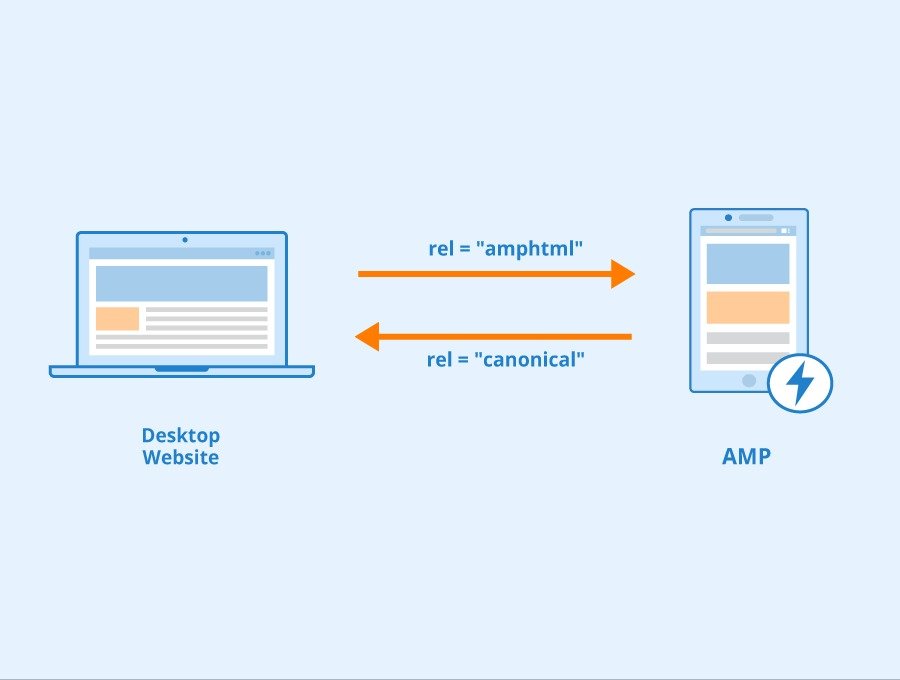
- Creating separate AMP versions of existing pages
- Using CMS plugins (such as WordPress AMP plugins)
- Validating AMP pages using Google AMP Test
Proper canonical tagging is essential to avoid duplicate content issues.
Accelerated Mobile Pages (AMP) remains a powerful tool for improving mobile page speed and user experience. While it is no longer mandatory for SEO success, AMP can still provide significant benefits for content-heavy websites. When implemented correctly, AMP helps reduce load times, improve engagement, and support overall SEO performance in a mobile-first digital landscape.
Effects of AI in Upcoming Technology
Manhole – Essential Access Points in Urban Infrastructure
RCPC Manhole Covers and Frames
Read Also: Social Network Website Design