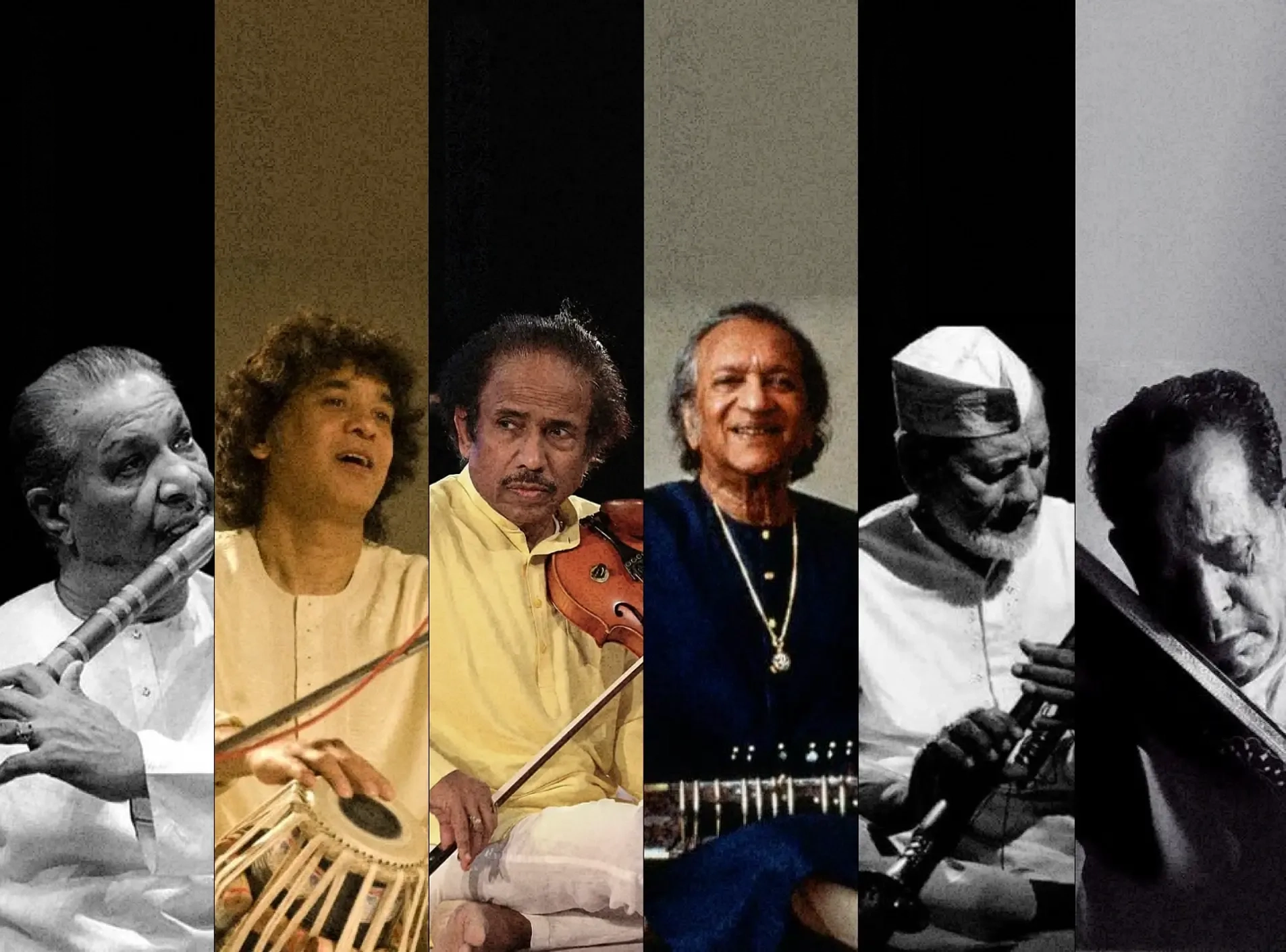
Indian classical music is one of the world’s oldest and most sophisticated musical traditions. Rooted in deep spiritual, mathematical, and emotional principles, it demands extraordinary discipline, devotion, and mastery of voice. Over centuries, a few exceptional singers have risen to legendary status, shaping the evolution of both Hindustani and Carnatic classical music.
This article highlights the Top 10 Indian Classical Singers of All Time, honoring artists whose voices, innovation, and legacy continue to inspire generations.
1. M.S. Subbulakshmi (Carnatic)
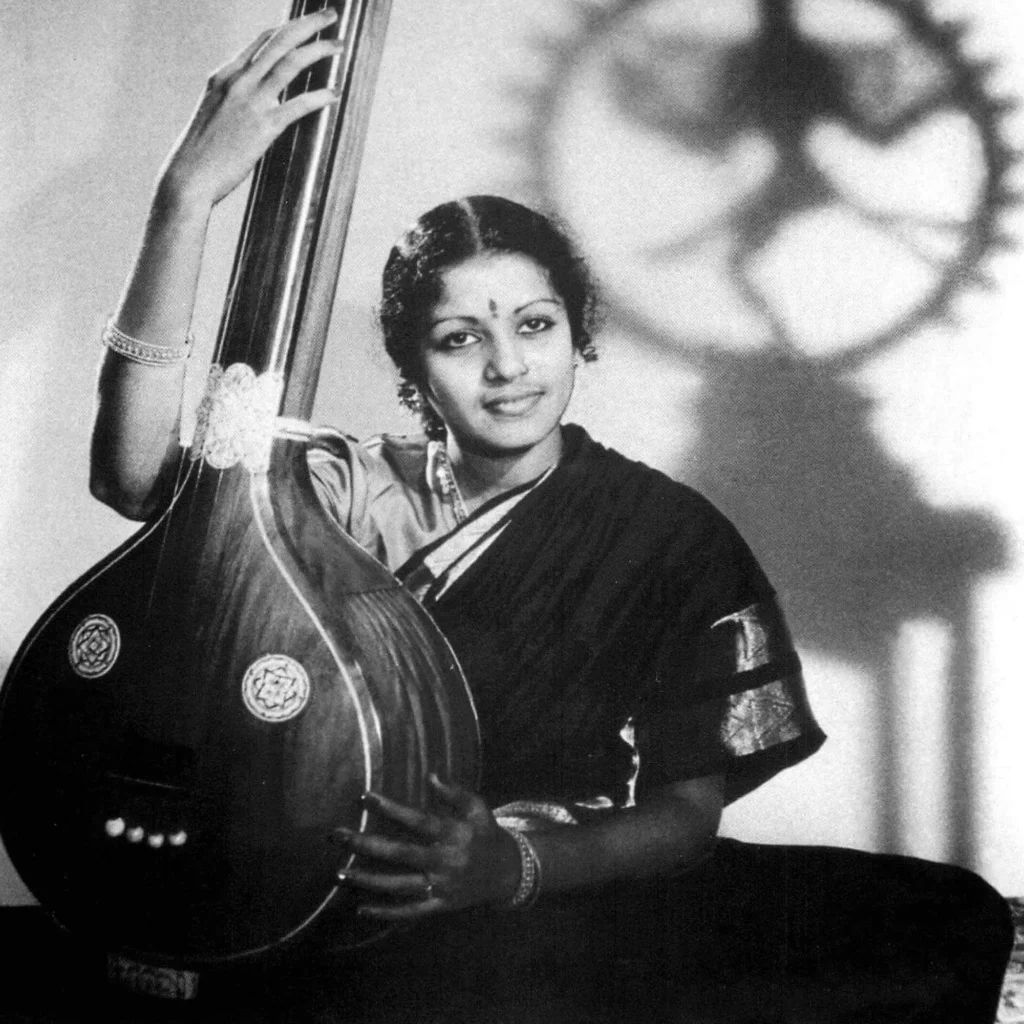
M.S. Subbulakshmi is universally regarded as the most revered Indian classical vocalist. Her voice carried divine purity, flawless pitch, and deep spiritual emotion.
She was the first musician to receive India’s highest civilian honor, the Bharat Ratna, and the first Indian musician to perform at the United Nations. Her renditions of devotional compositions remain unmatched in grace and sincerity.
Why she stands above all:
- Crystal-clear voice and perfect shruti
- Spiritual depth and emotional power
- Global ambassador of Indian classical music
2. Pandit Bhimsen Joshi (Hindustani)
Pandit Bhimsen Joshi’s voice was known for its raw power, intensity, and emotional force. A towering figure of the Kirana Gharana, he could transform a raga into a deeply moving personal experience.
His performances often carried a devotional fervor that left audiences spellbound, especially in ragas like Darbari and Bhairav.
Why his voice was legendary:
- Explosive taans and powerful alap
- Deep emotional expression
- Commanding stage presence
3. Pandit Ravi Shankar (Hindustani – Vocal Influence)
Although best known as a sitar maestro, Pandit Ravi Shankar was also a trained classical vocalist, deeply rooted in the vocal tradition that shaped his instrumental style.
His contribution to Indian classical music is unparalleled in terms of global influence, introducing raga music to international audiences and collaborating with world musicians.
Why he is included:
- Vocal-based raga mastery
- Globalized Indian classical music
- Cultural icon beyond borders
4. Pandit Jasraj (Hindustani)
Pandit Jasraj, the leading figure of the Mewati Gharana, was famous for blending classical rigor with spiritual devotion. His voice was warm, powerful, and deeply meditative.
He revolutionized classical vocal presentation by introducing new forms and devotional compositions while maintaining strict raga purity.
Why his voice was special:
- Unique devotional style
- Rich, resonant vocal tone
- Long and influential career
5. Semmangudi Srinivasa Iyer (Carnatic)
Known as the “Grandfather of Carnatic Music,” Semmangudi Srinivasa Iyer shaped the modern Carnatic concert format.
Despite vocal limitations later in life, his musical intellect, bhava (expression), and raga knowledge made him a legend respected by peers and disciples alike.
Why he remains iconic:
- Deep raga understanding
- Masterful interpretation
- Immense influence as a teacher
6. Kishori Amonkar (Hindustani)
Kishori Amonkar was a revolutionary voice who brought emotional introspection and individuality into Hindustani classical music.
Her singing went beyond structure, focusing on mood, meaning, and psychological depth. She redefined how ragas could be emotionally explored.
Why her voice was unique:
- Deep emotional exploration
- Unconventional yet powerful approach
- Artistic independence
7. G.N. Balasubramaniam (Carnatic)
G.N. Balasubramaniam, popularly known as GNB, transformed Carnatic vocal music with his innovative, fast-paced style and bold voice.
He introduced briga-heavy singing and modern aesthetics, influencing countless singers who followed.
Why he was groundbreaking:
- Powerful and agile voice
- Modernized Carnatic singing
- Revolutionary performance style
8. Bade Ghulam Ali Khan (Hindustani)
Ustad Bade Ghulam Ali Khan possessed a voice of astonishing flexibility and sweetness. His ability to blend classical discipline with emotional accessibility made him beloved by both purists and casual listeners.
His mastery over taans and intricate phrasing remains unmatched.
Why his voice was extraordinary:
- Exceptional vocal agility
- Emotional warmth
- Technical brilliance
9. Lata Mangeshkar (Classical Influence)
Though best known as a playback singer, Lata Mangeshkar was deeply trained in Indian classical music, and her voice carried classical precision into popular music.
Her influence helped bring classical techniques into mainstream awareness, making her one of the most influential Indian voices ever.
Why she belongs on this list:
- Perfect pitch and control
- Classical foundation
- Unmatched cultural impact
10. T.M. Krishna (Carnatic)
T.M. Krishna represents the modern evolution of Indian classical music. Known for his intellectual depth and fearless experimentation, he challenges traditions while respecting their roots.
His voice and ideas have reshaped conversations around inclusivity and artistic freedom in classical music.
Why he is important:
- Deep musical scholarship
- Thought-provoking interpretations
- Contemporary relevance
Indian classical music is not just about sound — it is about discipline, spirituality, emotion, and tradition. The singers on this list represent the highest achievements of the human voice within this ancient art form.
From divine devotion to intellectual brilliance, these artists have ensured that Indian classical music remains alive, evolving, and eternally powerful.
Jis Gali Mein Tera Ghar Lyrics
Read More: Education Website Design