Search engine optimization (SEO) has evolved dramatically over the past decade. With the rise of AI-powered tools like ChatGPT, Google Gemini, and various SEO automation platforms, many digital marketers are asking an important question: Will AI replace traditional meta descriptions and keyword models in the future?
To understand this, we must explore how AI impacts content creation, search algorithms, and optimization practices.
What Are Meta Descriptions and Keyword Models?
Meta descriptions are short summaries that appear below the page title in search results. They help search engines understand webpage content and encourage users to click. On the other hand, keyword models refer to planned keyword strategies, such as targeting primary keywords, long-tail phrases, and semantic keywords to improve a site’s ranking.
These elements have always been essential for SEO, especially in helping Google understand page intent. But with AI evolving rapidly, traditional optimization approaches are changing.
How AI Is Transforming Meta Description Creation
AI tools today can generate meta descriptions automatically based on page content. Platforms like Yoast, RankMath, and AI writing assistants analyze your article and instantly produce optimized summaries.
Benefits of AI-generated meta descriptions include:
- Faster content publishing
- Better consistency in tone and structure
- Ability to write descriptions at scale
- Higher chance of matching Google’s preferred search intent
Google itself sometimes rewrites meta descriptions to better match user queries. This makes many marketers wonder: If Google rewrites them anyway, will humans still need to write meta descriptions?
The answer is yes—but differently.
AI may automate the creation part, but human input for accuracy, brand voice, and emotional impact remains crucial. AI tools may suggest several versions, but a human editor ensures the final description reflects brand personality and target audience.
Is AI Making Keyword Research Obsolete?
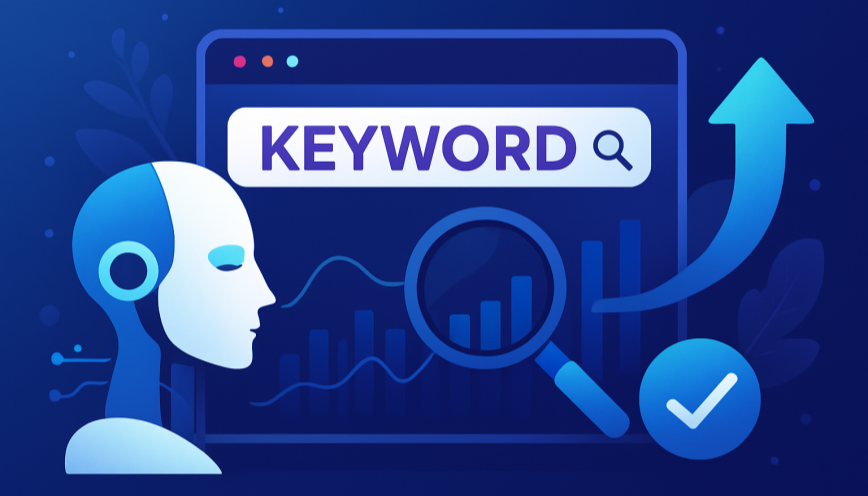
Keyword research has already changed because of AI, but it’s not becoming obsolete. Instead, AI is making keyword models smarter, faster, and more accurate.
AI tools can:
- Generate large keyword clusters
- Understand search intent behind each phrase
- Predict trending topics
- Identify ranking difficulty
- Suggest long-tail opportunities
- Analyze competitor keyword strategies
This automation allows marketers to move beyond simple keyword stuffing and focus on context-based SEO and topic authority, which Google rewards more heavily now.
While AI can provide keyword suggestions, it cannot fully replace human understanding of niche industries, user psychology, or brand strategy. Human expertise is still needed to decide which keywords matter most.
Will AI Replace Meta Descriptions and Keyword Models Completely?
The short answer: No. AI will not replace them, but it will reshape how we use them.
Search engines are becoming more intelligent and rely on semantic understanding, natural language processing, and user intent rather than simple keyword matching. This means the traditional way of writing meta descriptions and selecting keywords might become outdated, but the purpose behind them remains the same: to help search engines understand content.
AI will serve as a powerful assistant rather than a replacement.
The Future of SEO with AI
SEO professionals will increasingly use AI to:
- Automate repetitive tasks
- Generate content briefs
- Write optimized meta information
- Build keyword clusters
- Analyze user behavior
- Improve topical authority
- Create personalized search experiences
However, human expertise will remain essential for:
- Strategy and planning
- Ensuring content accuracy
- Understanding brand values
- Maintaining authenticity
- Making creative decisions
In short, AI enhances SEO; it doesn’t eliminate the need for it.
AI is undeniably transforming the world of SEO. While it improves the process of writing meta descriptions and keyword models, it does not eliminate the need for human involvement. Instead, AI allows marketers to work smarter, not harder. The future of SEO will be a powerful collaboration between human creativity and AI-driven automation, ensuring higher quality, relevance, and performance for digital content.
Effects of AI in Upcoming Technology
Manhole – Essential Access Points in Urban Infrastructure
RCPC Manhole Covers and Frames
Read Also: Social Network Website Design