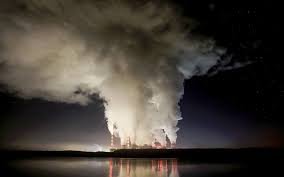
Global dimming is a phenomenon characterized by a gradual reduction in the amount of sunlight reaching Earth’s surface. This occurs primarily due to air pollution, particulate matter, and aerosols released into the atmosphere from industrial activities, burning fossil fuels, and deforestation. While global dimming may seem less discussed than global warming, it has significant environmental and climatic consequences that affect ecosystems, weather patterns, and human life.
Impact on Climate and Weather Patterns
Global dimming can influence the Earth’s climate by reducing surface temperatures. The particles in the atmosphere reflect sunlight back into space, creating a cooling effect that can temporarily mask the warming caused by greenhouse gases. However, this interference disrupts natural weather patterns, leading to unpredictable rainfall and droughts in certain regions. Monsoon-dependent areas, like South Asia, are particularly vulnerable, as reduced sunlight can weaken the monsoon system, affecting agriculture and water availability.
Effects on Ecosystems and Agriculture
Reduced sunlight due to global dimming affects photosynthesis in plants, which can limit crop growth and forest productivity. This has direct implications for food security, especially in regions heavily dependent on sunlight for agriculture. Aquatic ecosystems are also impacted, as less sunlight penetrating water bodies can alter the growth of phytoplankton, the base of the marine food chain. Such changes ripple through entire ecosystems, affecting biodiversity and fish populations.
Health and Atmospheric Consequences
Global dimming is closely linked to air pollution, which poses severe health risks to humans. Particulate matter in the air can lead to respiratory diseases, cardiovascular issues, and other health problems. Additionally, the presence of aerosols in the atmosphere can alter cloud formation and precipitation patterns, potentially increasing the frequency of extreme weather events such as storms and floods.
Interaction with Global Warming
Interestingly, global dimming partially counteracts the effects of global warming by cooling the Earth’s surface. However, this is not a permanent or beneficial solution. If air pollution were reduced suddenly, the cooling effect would disappear, potentially accelerating the warming process. Therefore, understanding global dimming is crucial for developing climate models and implementing effective environmental policies.
In conclusion, global dimming is a complex phenomenon with far-reaching effects on climate, ecosystems, agriculture, and human health. Addressing it requires reducing air pollution while simultaneously combating global warming to maintain a stable and sustainable environment for future generations.
Climate Change and Global Warming