The Middle East is a region that stretches across southwestern Asia and northeastern Africa, encompassing countries such as Saudi Arabia, Iran, Iraq, Israel, Egypt, and the United Arab Emirates. It is a region of immense historical, cultural, and geopolitical significance. The name “Middle East” is widely used in geography, politics, and global discussions, but understanding why it is called the Middle East requires a look at history and international perspective.
Origin of the Term “Middle East”
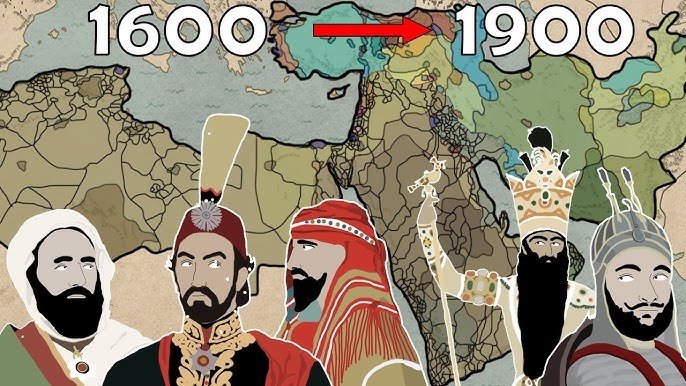
The term “Middle East” emerged in the 19th and early 20th centuries during the era of European colonialism. British officials and scholars initially used it to describe the region situated between the “Near East” (the Balkans and the Ottoman Empire) and the “Far East” (East Asia). In this context, “middle” refers to its position relative to Europe, rather than any geographical centrality in the world. The phrase gradually became widely accepted in international diplomacy, media, and academia.
Geographical and Cultural Significance
Geographically, the Middle East covers a variety of landscapes, including deserts, mountains, fertile river valleys like the Nile and the Tigris-Euphrates, and strategic waterways such as the Suez Canal and the Persian Gulf. Culturally, it is the birthplace of several of the world’s major religions, including Islam, Christianity, and Judaism. These religions, along with diverse languages, traditions, and customs, have contributed to the Middle East’s global historical significance.
Economic and Political Importance
The Middle East is rich in natural resources, particularly oil and gas, making it a critical region for global energy markets. Its strategic location at the crossroads of Europe, Asia, and Africa has historically made it a hub for trade, military campaigns, and political influence. Countries in this region continue to play a central role in international politics, diplomacy, and economic affairs.
In conclusion, the Middle East is a region of historical depth, cultural richness, and global importance. It is called the Middle East because of its position between Europe, the Near East, and the Far East from a historical European perspective. Understanding this term helps explain the region’s unique identity and why it has remained central to global events for centuries. The Middle East continues to influence world history, culture, and economics, making it a key area of study and interest for scholars, policymakers, and travelers alike.
What Is It Called Latin America?
Different Traditional Marriage Dresses in India
Nudity in Literature: Exploring Themes and Symbolism